
Slow the Flow: Back-to-School
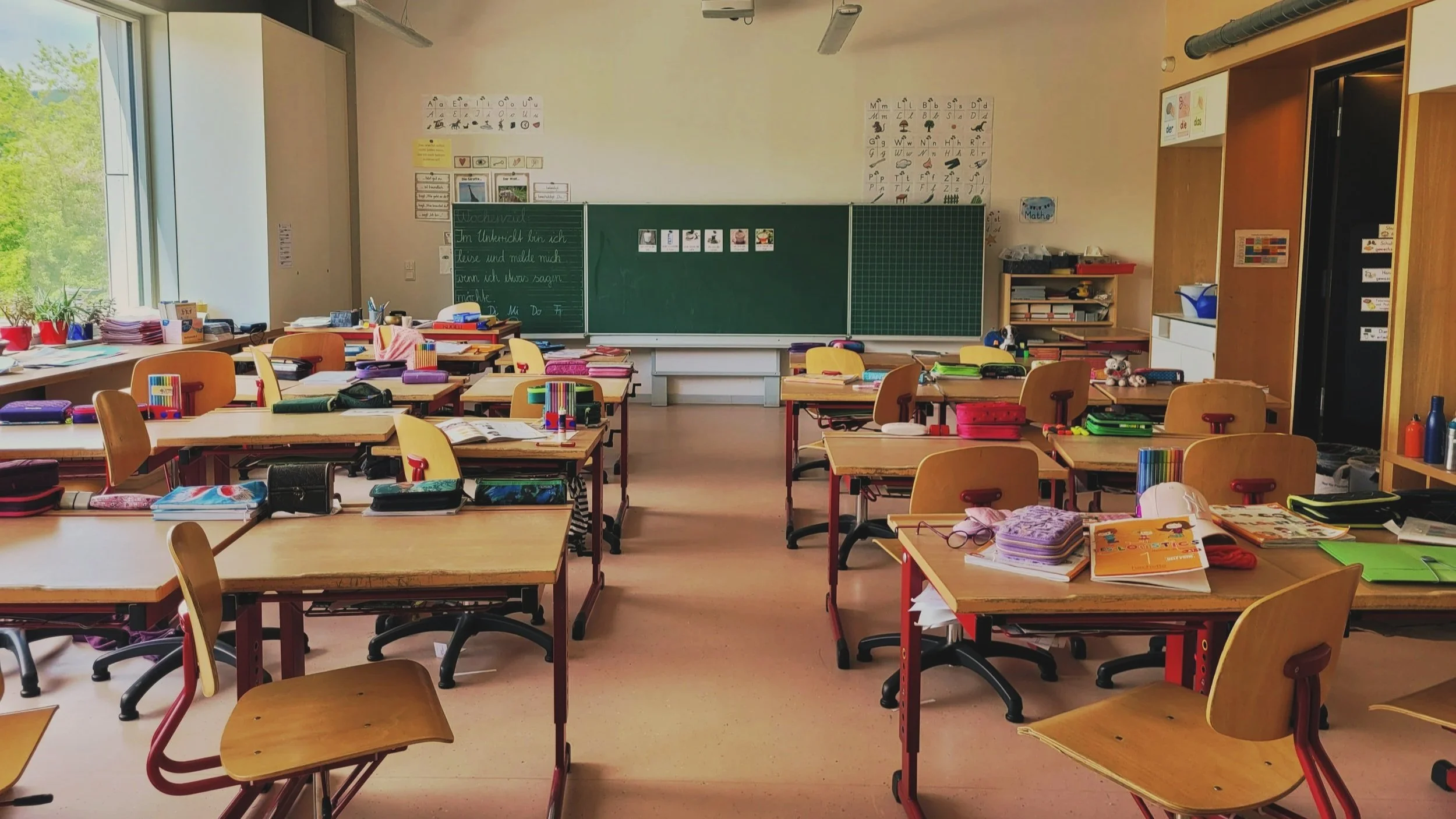
Class is in session!
Welcome to the back-to-school edition of Slow the Flow, our monthly blog series that highlights opportunities to cut down on waste, reduce exposure to plastics, and make healthier and more sustainable choices about the materials around us. This month, we’ll focus on six categories that drive the bulk of back-to-school consumption: classroom supplies, gear, lunches, electronics, extracurriculars, and clothing.
Whether you’ve got kids heading to preschool or are a college student starting fall semester, August brings with it a new school year and, no doubt, a lengthy shopping list. I remember being a kid and excitedly looking forward to the yearly trip to Staples, wandering the aisles on the hunt for the new notebooks and backpack that would help me start the year off fresh.
You may have a similar back-to-school shopping routine. Like me, you may have been tempted (by relentless commercials, ads, or good old fashioned peer pressure) to purchase everything brand new.
But, did you know that ~ 77% of school supplies end up being wasted? That shakes out to about 67 pounds of supplies per person.
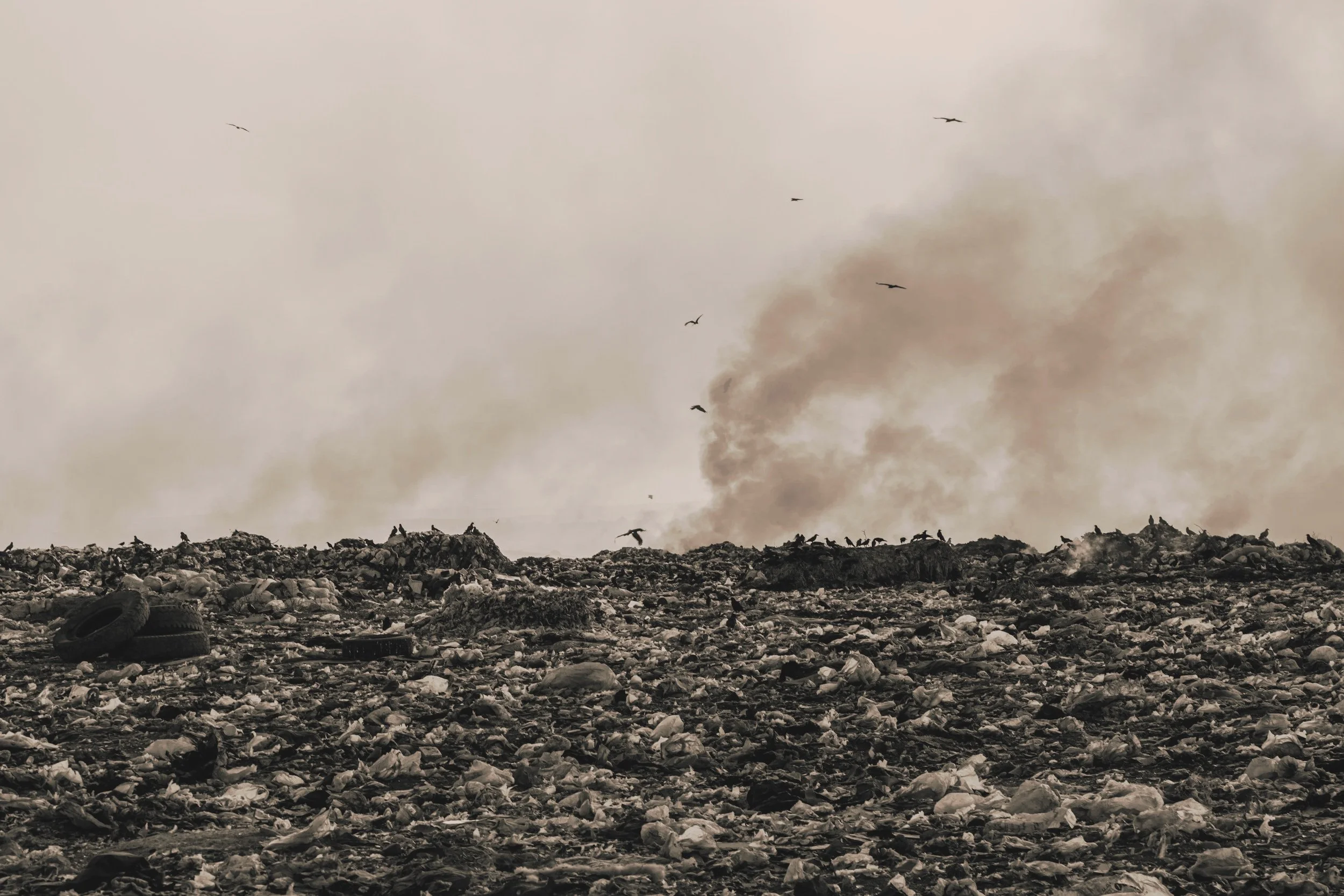
Additionally, many of these school supplies (and their packaging) are made out of plastic, which presents its own issues. These mountains of plastics never biodegrade (taking 20-500 years to break down, but leaving behind microplastics that persist indefinitely and spread throughout the environment).
Even before they make it to the landfill, plastics can wreak havoc on our health. In fact, Cincinnati Recycling & Reuse Hub recently launched a new Hub Health Advisory Committee comprised of experts from various fields to help us navigate the risks. Committee member and local pediatrician Dr. Evelyn Joseph is especially concerned with the impact of plastics on children.
“This generation is exposed to more plastic in food, water, and air than any of the adults currently on the planet and it ends up in their bodies, specifically their livers and their brains”.
-Dr. Evelyn Joseph, Pediatrician and Hub Health Advisor
Studies are increasingly showing that when plastics accumulate like this in our bodies, they can cause neurodevelopmental impairments, inflammatory bowel disease, hormonal changes, and more. Children are especially susceptible. Yet, many of the objects a child encounters daily are made of plastic– and the classroom is no exception.
HUB HELPFUL HINT: For a more detailed look at the harmful effects of plastics and their associated chemicals, check out our previous blogs in the series: the Kitchen and Meal Planning & Groceries editions.
How you can make a difference
If you’re interested in paring back the amount of waste you send to the landfill and/or reducing your plastic exposure this school year, here are some options to explore:
1) CLASSROOM SUPPLIES: Notebooks, folders, pencils, pens, highlighters, rulers, scissors, binders, etc.
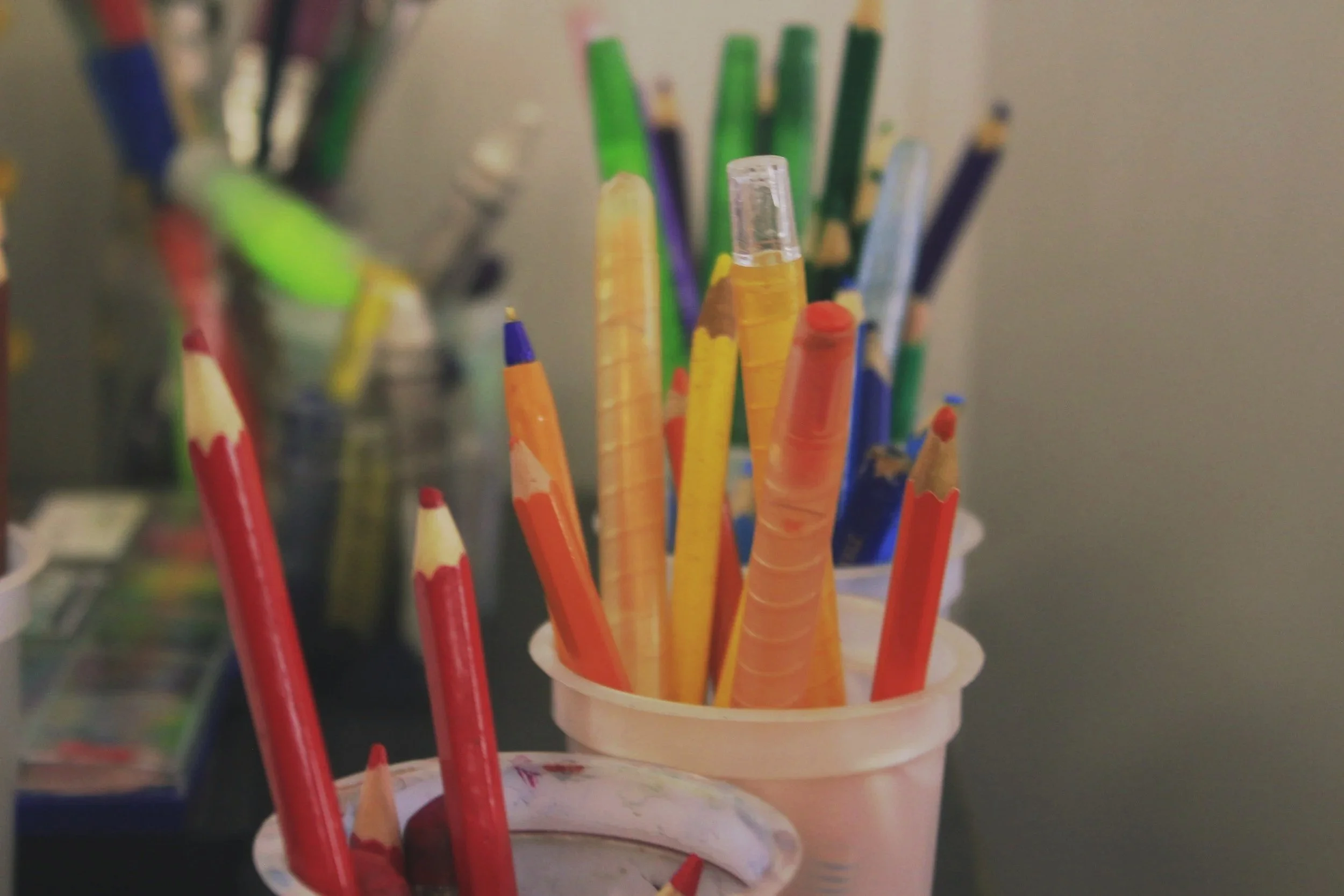
If your aim is to reduce plastic exposure in addition to reducing waste, look for items made from natural materials like metal, wood, or bamboo. Refillable writing utensils are great options. Consider the material that the items are made of as well as their packaging. You can find many of these options in secondhand shops like:
The Hub Shop: Right here at the Hub’s retail shop, you’ll find a variety of secondhand supplies affordably priced per pound. Even better, with a Hub Club membership, when you come by to shop, you can also drop off your truly spent school/office supplies for recycling. It’s a win-win!
Indigo Hippo: Indigo Hippo is a pay-what-you-can art supply thrift store with locations in Over-the-Rhine and Hamilton. There, you can find all sorts of secondhand pencils, pens, rulers, and more!
2) GEAR: backpacks, gym bags, etc.
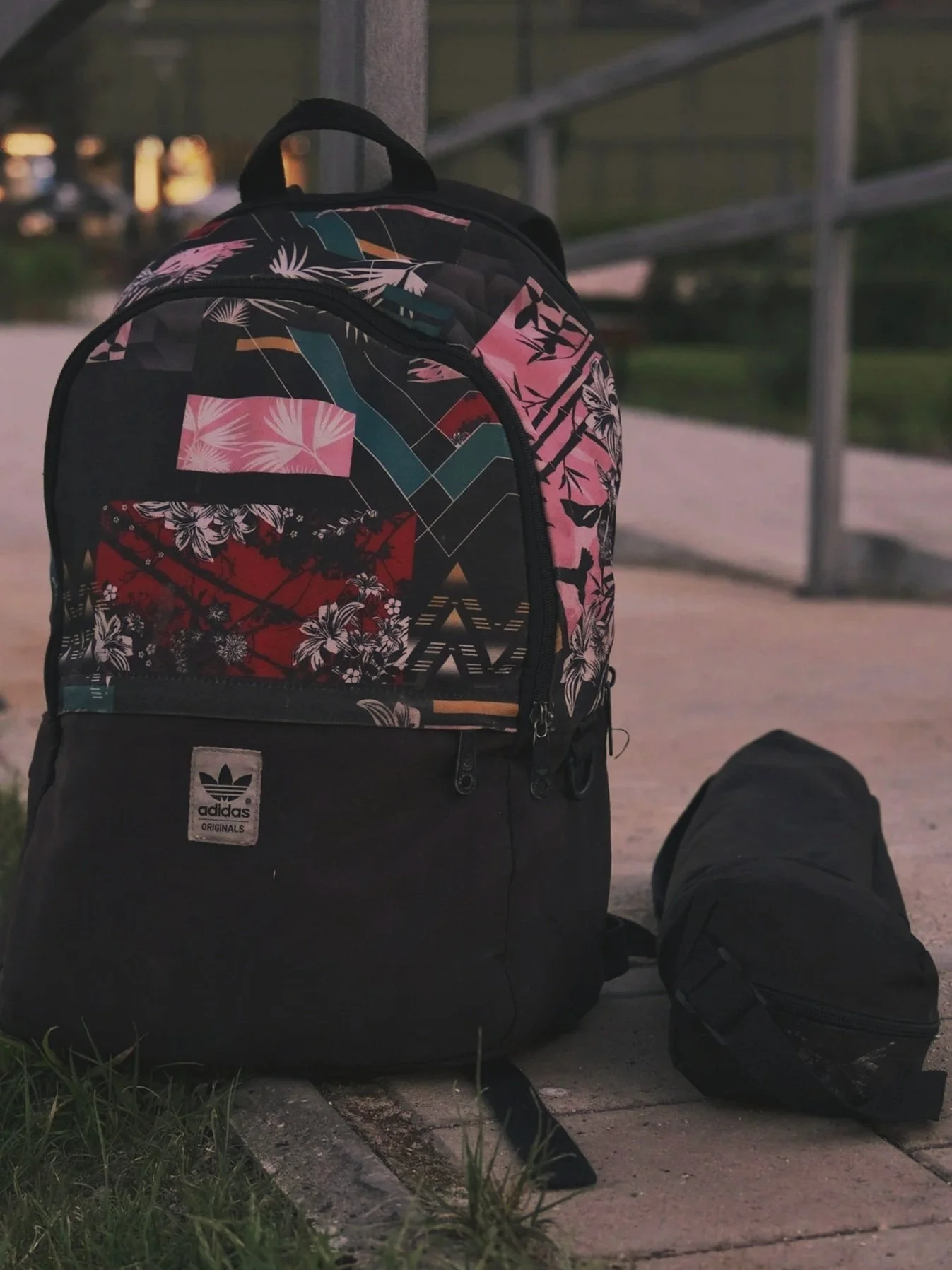
Thrift stores are often overflowing with gear like backpacks or gym bags—even ones made from natural materials like cotton, canvas, or hemp!
Note that nylon and polyester, the most common options for backpacks and gym bags, are plastics.
If you’d rather buy new or don’t have any luck thrifting, try a mid-priced cotton backpack with great reviews from Terra Thread, or a cotton gym bag from Los Angeles Apparel.
3) LUNCHES
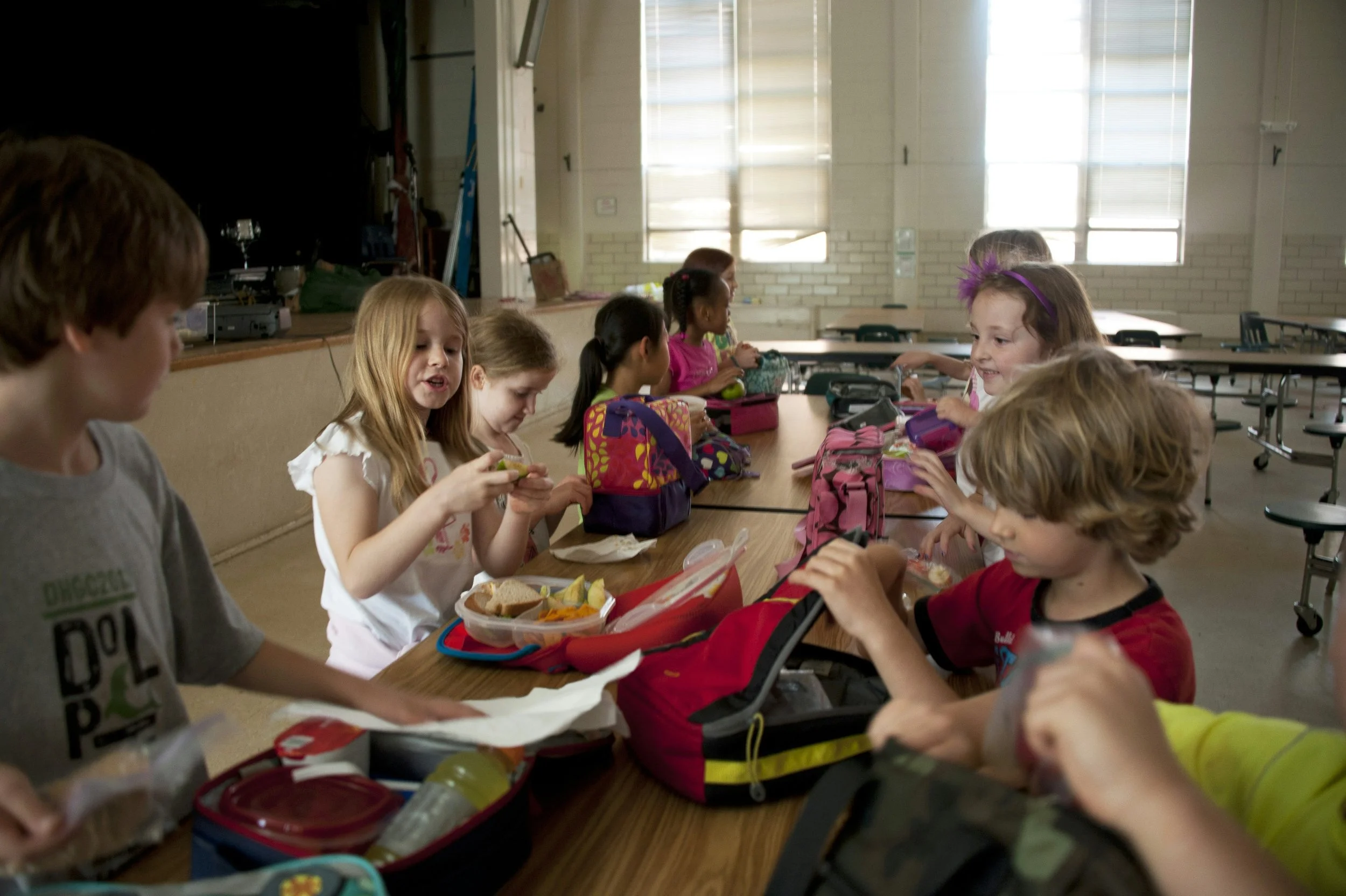
Plastics that come into contact with food can be especially harmful—leaching microplastics and chemicals into the things we eat and drink. Consider ditching the plastic food containers for metal or glass and opting for a lunchbox made from natural materials, like this one made of cotton and insulated with wool, or this affordable cotton lunch bag.
When it comes to water bottles, reusable options of any material will prevent a lot of single-use plastic waste. Stainless steel is a great alternative that is more durable and can help reduce your exposure to plastics in your drinking water. This one from Blockhütte is safe with hot and cold beverages.
4) ELECTRONICS: laptops, cellphones, etc.
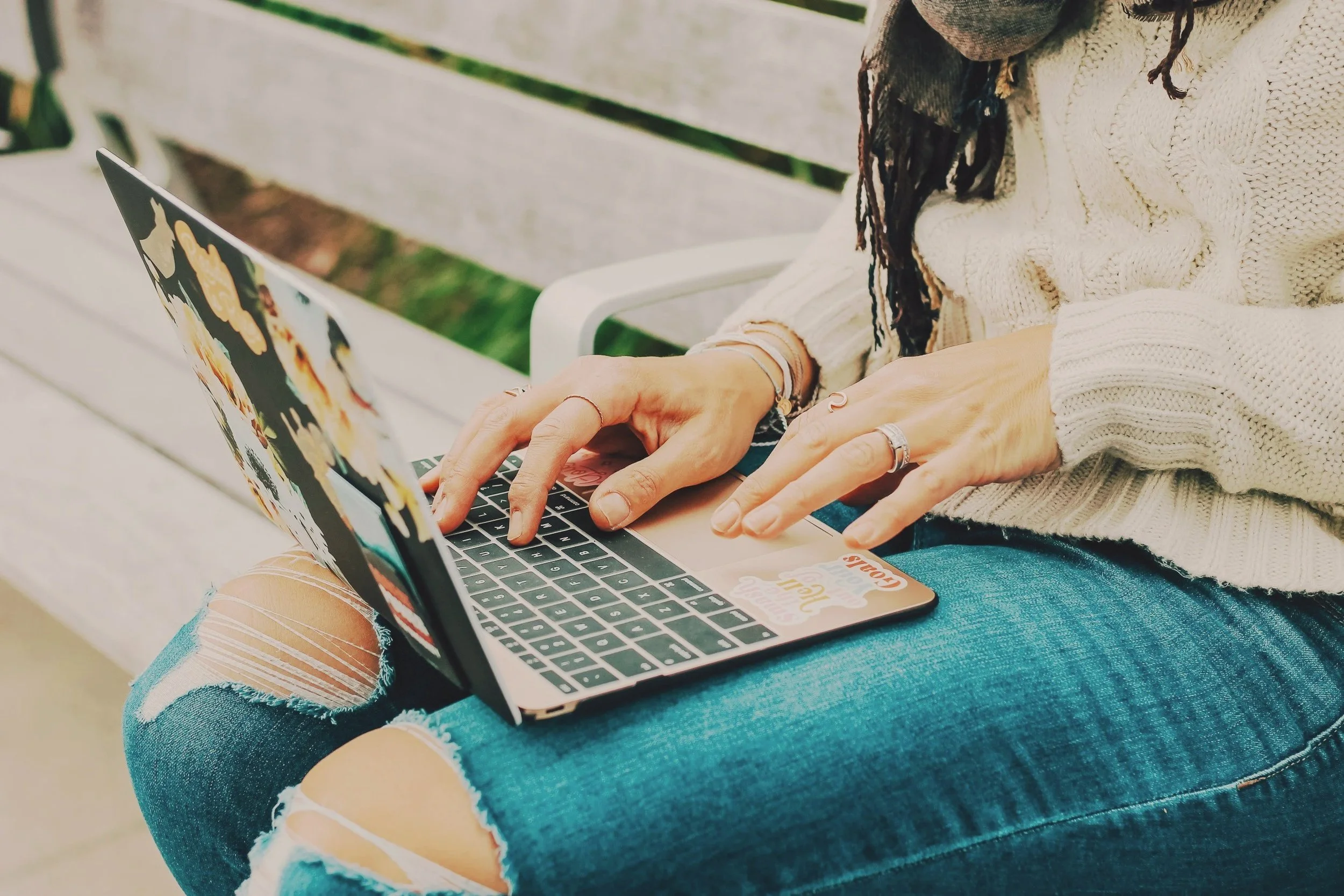
The average laptop is only expected to last a few years before becoming obsolete, but there are some things you can do to extend the life of your tech to help it get through another school year:
iFixit is championing the Right to Repair movement by providing a free online database full of step-by-step repair guides for thousands of various products. This is a great place to start if you want to try your hand at troubleshooting and repairing your own device.
ChromeOS Flex USB sticks are the product of a collaboration between Google and Back Market that allows you to download ChromeOS Flex on Windows and Intel-powered Mac computers with otherwise obsolete operating systems.
You’re not likely to find plastic-free alternatives to common tech like laptops and cell phones when your old ones finally bite the dust, but you might decide to look into used secondhand options.
Here are a few good places to find refurbished electronics:
5) EXTRACURRICULARS: Sports gear, equipment, supplies, etc.
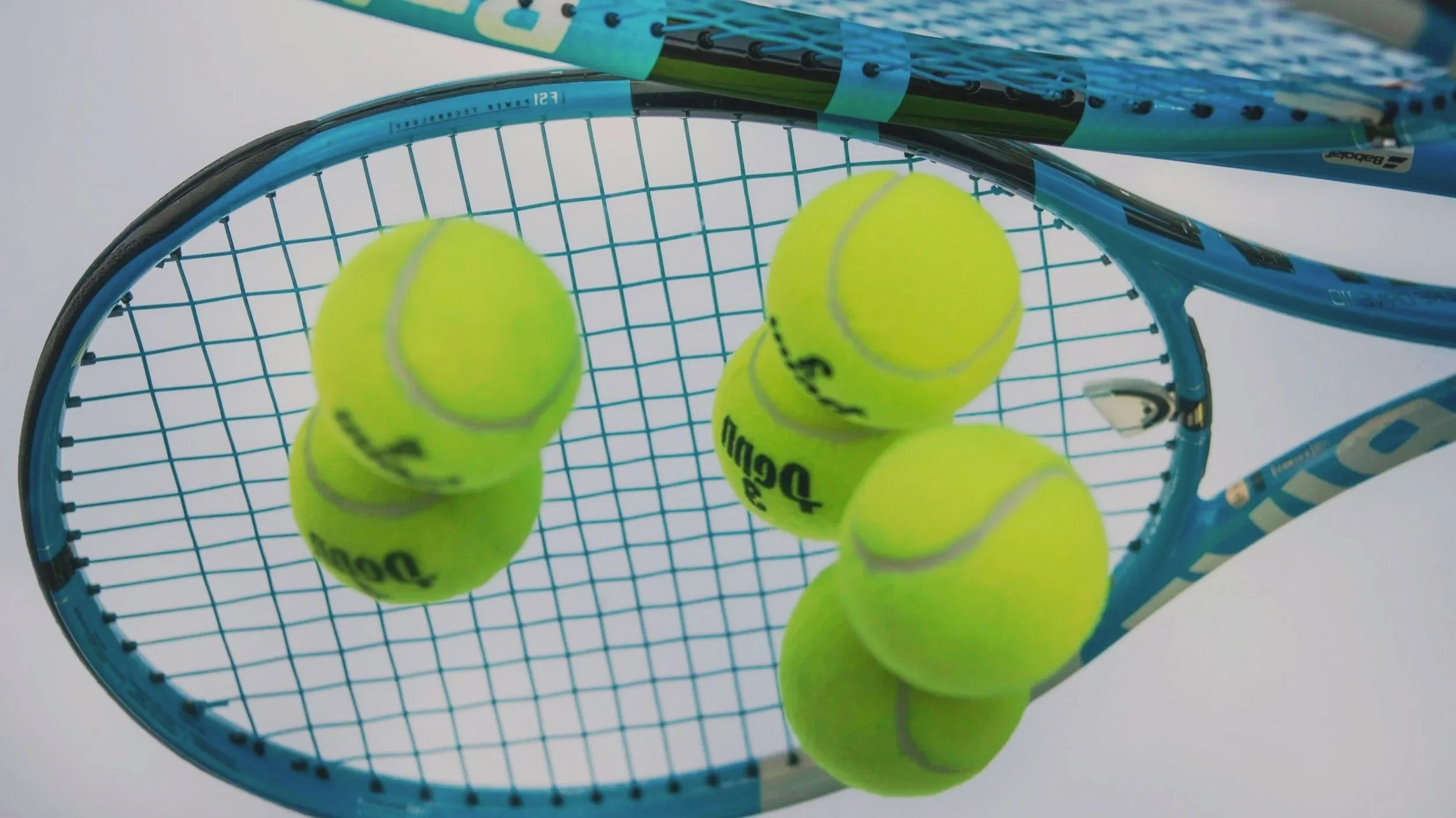
Participating in extracurriculars can be pricey, especially with the additional cost of equipment that is often used for a single season before being discarded.
Here are a few places that extend the useful lives of extracurricular equipment while keeping costs down:
Play it Again Sports offers all types of used sports and fitness gear.
Drama class, anyone? Final Strike Collaborative salvages materials from theaters and their initiative, The Reclaimed Resource Network, connects artists and creators to resources.
6) CLOTHING
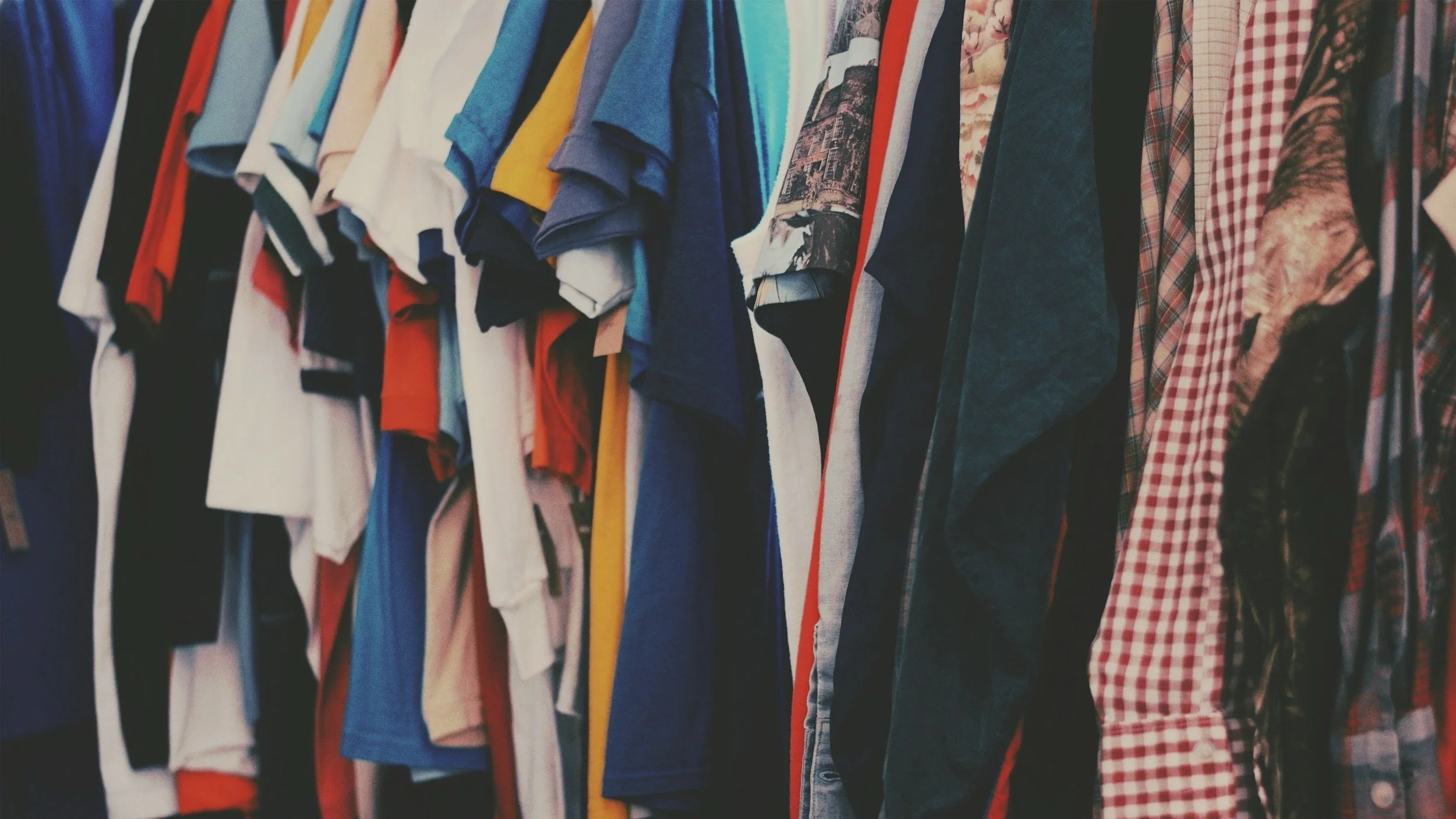
Last but not least, clothes are a huge component of the back-to-school shopping list. Kids are growing, styles are changing, and it’s time for an upgrade.
But not so fast! The clothing industry is notorious for creating vast amounts of waste. In the USA, 85% of textiles are landfilled each year.
In 2024, synthetic fibers accounted for ~69% of all textile production and that number has only increased. Synthetic fibers shed microplastics, so opt for natural fibers like cotton, linen, wool, or silk when possible.
Unsure of an item’s material content? Check the clothing label to find out what it’s made of.
The thrift store is an excellent place to browse through an abundance of used clothing. It’s also worth checking out consignment shops and vintage clothing stores for funkier statement pieces.
Additionally, local groups like Crunchy Leaves Sustainability Collaborative host pop-up clothing & item swaps, like this one just around the corner on August 29th!
HUB HELPFUL HINT: For a deeper dive on sustainable clothing options, keep an eye out for the next blog in the series which will focus on fashion and textiles!
In conclusion
It can be difficult to keep sustainability in mind while trying to navigate the chaos of back-to-school shopping, but small changes make a difference. By being conscious of the amount of waste you generate and by cutting down on plastic exposure, you can have a healthy and sustainable start to the school year!
Do you have any suggestions for an eco-friendly back-to-school experience? Feel free to share in the comments section below!