
Slow the Flow: Meal Planning & Groceries
Welcome back to Slow the Flow, our monthly blog series that explores ways to reduce waste in our daily lives and offers sustainable substitutes for plastic products. Our last post in the series focused on the kitchen. This month, let’s take a step back, widen the lens, and examine the ways that plastic can sneak onto (and into) our foods as we plan meals and shop for groceries– before they even make it onto our shelves and cutting boards at home.
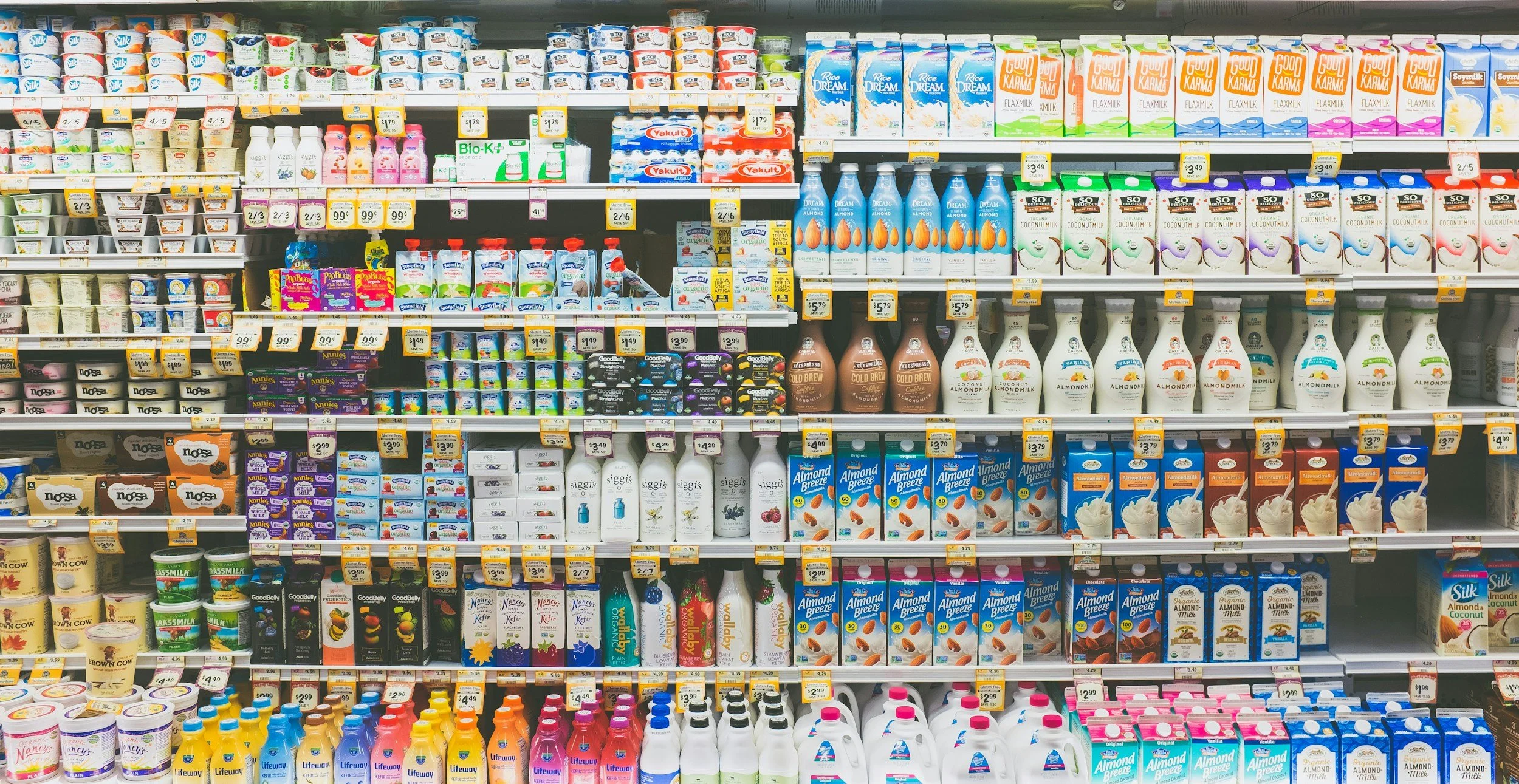
The next time you take a trip to the grocery store, take a moment to notice how the products around you are packaged. It’s likely you’ll find yourself surrounded by plastic bottles, plastic pouches, and plastic clamshells as far as the eye can see. You may even notice individually-wrapped cucumbers swaddled in plastic packaging. When it comes to groceries, plastic may seem difficult or even impossible to avoid.
So, why even bother trying to avoid plastic packaging at all?
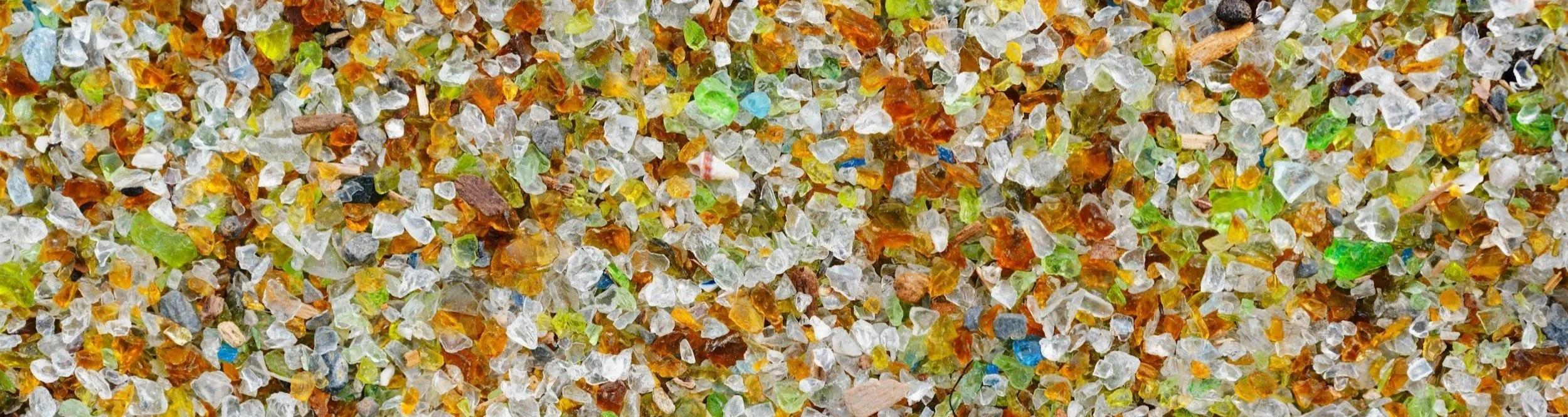
Sure, it has its positive traits. Plastic is inexpensive to produce and can certainly be convenient, but more and more studies are beginning to show that the negatives may be numerous and vastly consequential for human health and well-being. Much of the current research is focused on micro- and nanoplastics (MNPs), tiny plastic fragments that are shed into the environment, later to be taken up into the human body through ingestion, inhalation, or absorption. We may not notice them, but they’re everywhere.
But what happens once micro- and nanoplastics make it into our bodies?
Once they enter our bodies through ingestion, inhalation, or absorption, they find their way into our organs and tissues, where they may lodge and accumulate as the body tries to rid itself of the invaders.
The extent of the accumulation can be shocking. One groundbreaking study compared postmortem brain samples obtained in 2016 to samples obtained in 2024, finding that the amount of plastic in the 2024 samples had increased by about 50% in comparison to those from 2016. The study also found that the plastic fragments had concentrated in blood vessel walls and around the brains’ immune cells, and that brains with documented dementia diagnoses exhibited an increased presence of microplastics.
Perhaps most shocking of all, the study found that human brains today may contain up to 7 grams of plastic—about the weight of a disposable spoon.
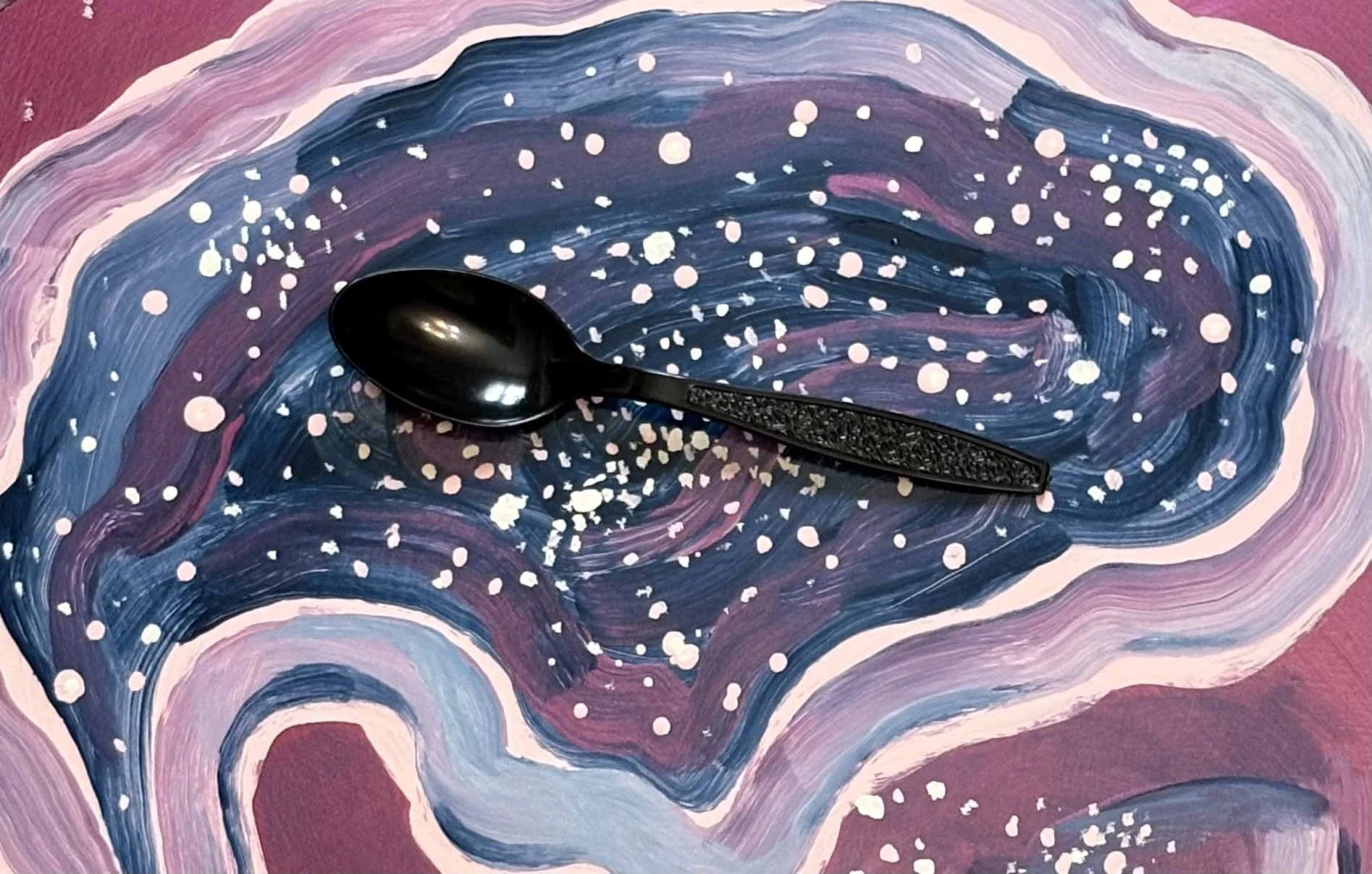
Even on its own, this unsettling imagery may be enough for many of us to reconsider our relationships with plastic–and especially with the plastics that are coming into direct contact with the food and drinks we consume.
So, what can we do to minimize our exposure to microplastics?
Because MNPs saturate our environment, it’s impossible to avoid them entirely. But, if you’re interested in dramatically reducing your exposure, one of the best places to start is with the foods you eat (and how they’re packaged and stored).
Step 1: Rethink your meals and how you shop
It’s common advice to shop the ‘perimeter’ of the grocery store to avoid the junk food concentrated in the middle aisles. Well, this advice works to help avoid packaging, too!
By choosing meals that mainly use fresh ingredients from the produce section, the deli, or the bakery, you’ll end up with way more nutrients and way fewer microplastics. A win-win!
If you want to avoid the big-name grocery stores altogether, check out Lierer’s Market in Northside– a “community-focused low-waste store creating the opportunity to shop your values, connect to local resources, and take a stand against throw away culture”. Here, you can find all sorts of bulk goods (rice, nuts, oats, beans, etc.) and shoppers are encouraged to bring their own containers.
Other great options are local farmers markets, CSA Programs (like Big Table Farm Co-Op’s weekly veggie shares) and even foraging. For foraging guidance, check out ‘BlackForager’, a local Ohioan who uses short videos to share her expansive knowledge of edible plants!
For a fascinating look into the history and future of Cincinnati’s food systems, check out Cincinnati’s Foodshed: An Art Atlas.
Getting hungry thinking about all this food?
Here are some examples of delicious and nutritious recipes you can make with minimally-packaged ingredients:
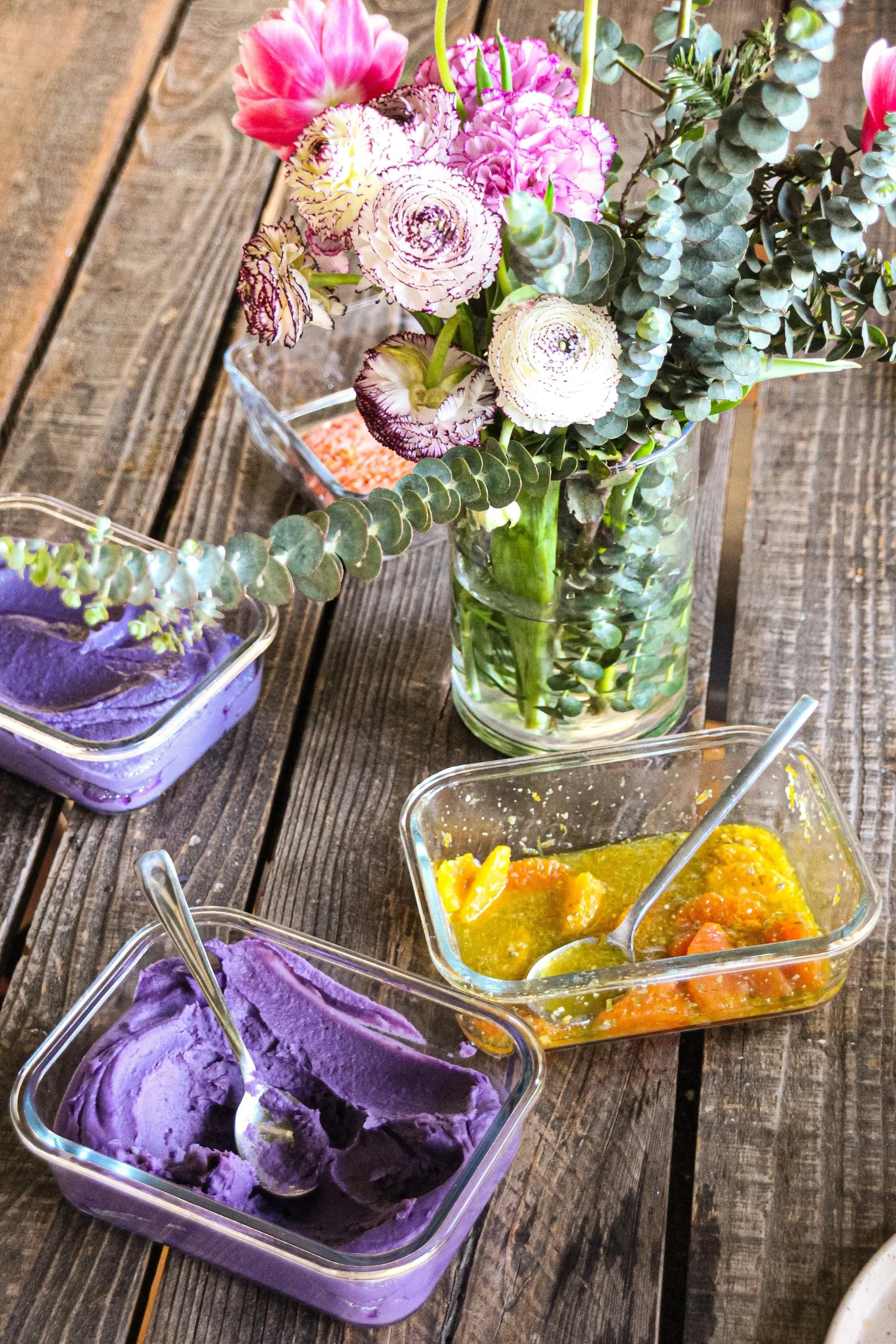
Goosefoot Cook and Grow’s Whipped Purple Sweet Potatoes
2 to 2 1/2 pounds sweet potatoes (about 4 to 5 medium)
1/2 cup coconut milk (or whole milk or cream)
2 tablespoons unsalted butter (or dairy free alternative)
Kosher salt, to taste
Arrange a rack in the middle of the oven and heat to 425°F.
Pierce the sweet potatoes a few times with a sharp knife. Place them on the baking sheet and roast until tender and a knife easily pricks through, 45 minutes to 1 hour. Set aside to cool until cool enough to handle.
Halve the potatoes lengthwise, scoop of the flesh, and run the flesh through a potato ricer or food mill into a large bowl.
Meanwhile, combine the coconut milk and butter,and a generous pinch of salt in a saucepan and cook over medium heat, stirring occasionally, until the butter is melted. Reduce the heat to low and keep warm.
Add the warmed milk mixture, a few tablespoons at a time, into the potatoes, and beat with an electric mixer on high speed until smooth and fluffy. (You may not use all of the milk mixture.)
Taste and adjust seasonings adding more salt as needed. Serve immediately.
Adapted from the www.thekitchn.com
Other recipe options:
Smitten Kitchen’s Whole Wheat Goldfish Crackers for a quick cheesy snack.
Serious Eats’ Two-Minute Mayonnaise for a packaging-free condiment option.
Don’t feel like cooking and are planning for takeout?
Goosefoot Cook & Grow, which provided the mouth-watering purple sweet potato recipe above, is a small local business that creates “nourishing, personalized, ingredient-driven meals for weekly delivery, private dinners, celebrations, and gatherings where food is meant to bring people together.” Goosefoot does an amazing job of reducing waste and avoiding plastic packaging and their meals are packaged in reusable glass containers!
Now that we’ve covered meal planning and shopping habits in Step 1, what’s next?
Step 2: Swap out some products
When choosing materials to replace the plastics around us, it’s important to avoid “regrettable substitutes”, as emphasized by Bob Gedert, local author of Untangling Plastics: The Missing Link in Mitigating Climate Change. We should be confident that any materials coming into contact with our foods are safe, and not leaching harmful chemicals.
Paper, bamboo, wood, glass and uncoated metal are tried and true alternatives and should be prioritized over materials like silicone. While silicone has the potential to be a safe alternative to plastics, it can contain many of the same harmful chemical additives.
Making the shift from plastics can be a gradual process, but given the newly emerging research, some urgency is warranted.
As you swap out your plastic products, remember that they don’t need to be landfilled– bring them to the Hub for recycling !To help ease the transition, we’ve gathered some simple grocery and meal-related product swaps below–
Swap #1: Reusable produce bags
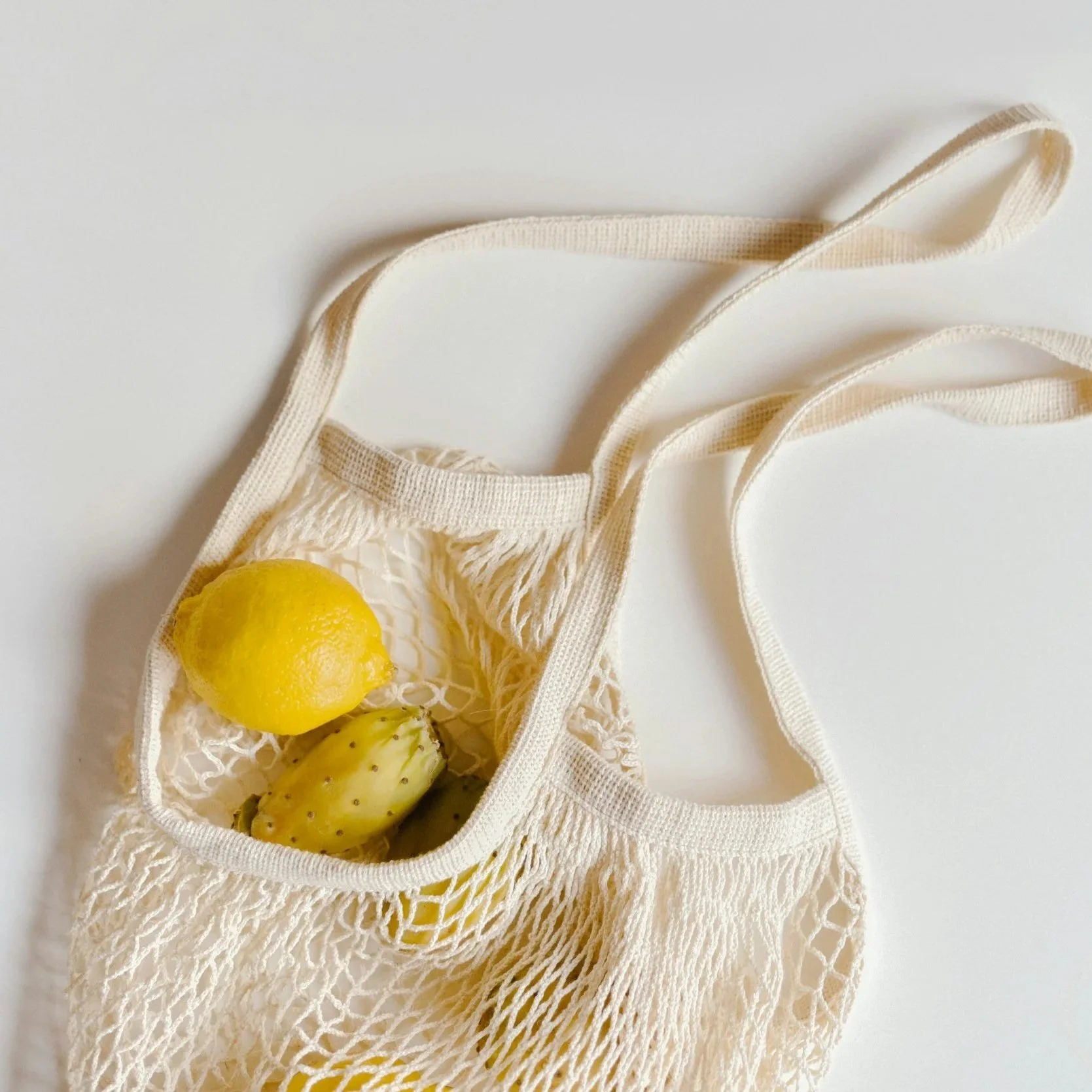
When you’re shopping for veggies, there’s no need to reach for single-use plastic produce bags if you bring your own reusable ones. This set of cotton mesh bags from Grove is a great option. Reusable bags will help you wrangle your produce while cutting waste and minimizing food-contact plastic exposure.
Swap #2: Storage containers
Research has shown that certain conditions, like heat, can cause the amount of micro- and nanoplastics that are released into our foods to increase dramatically. When we reheat meals in plastic storage or takeout containers, MNPs and chemical additives migrate into our foods at an accelerated rate.
One study found that microwaving plastics triggered the release of up to “4.22 million microplastic and 2.11 billion nanoplastic particles from only one square centimeter of plastic area within 3 min of microwave heating.” Glass storage containers like these with bamboo lids from Crate & Barrel are microwave-safe and don’t broadcast MNPs into your leftovers.
Swap #3: Milk
This may seem like an odd one, but did you know that traditional milk-delivery services still exist today? The Modern Milkman delivers milk weekly in returnable glass bottles. Switching to glass can make a big difference in MNP exposure—especially in young children. Milk is a major source of MNPs for babies and children, and this swap addresses the root of the problem by switching out the usual plastic milk jugs in favor of a safer material.
All of this information about the health effects of plastics can be overwhelming and the outlook may seem bleak, but there is hope! We can rethink our meals and how we shop. We can swap out plastic for sustainable materials. We can practice mindful consumption to “slow the flow”, educate ourselves about the risks of plastics and common chemical additives, and we can strive for better.
“It doesn’t need to be instant or perfect, but we do need to try to preserve our resources, our environment, and our health.”
Thanks so much for reading and another big thank you to the many folks who provided content and quotes for the blog! Do you have your own tips and tricks for avoiding plastics or an interesting study to share? Leave a comment below!