
Slow the Flow: Clothing and Textiles
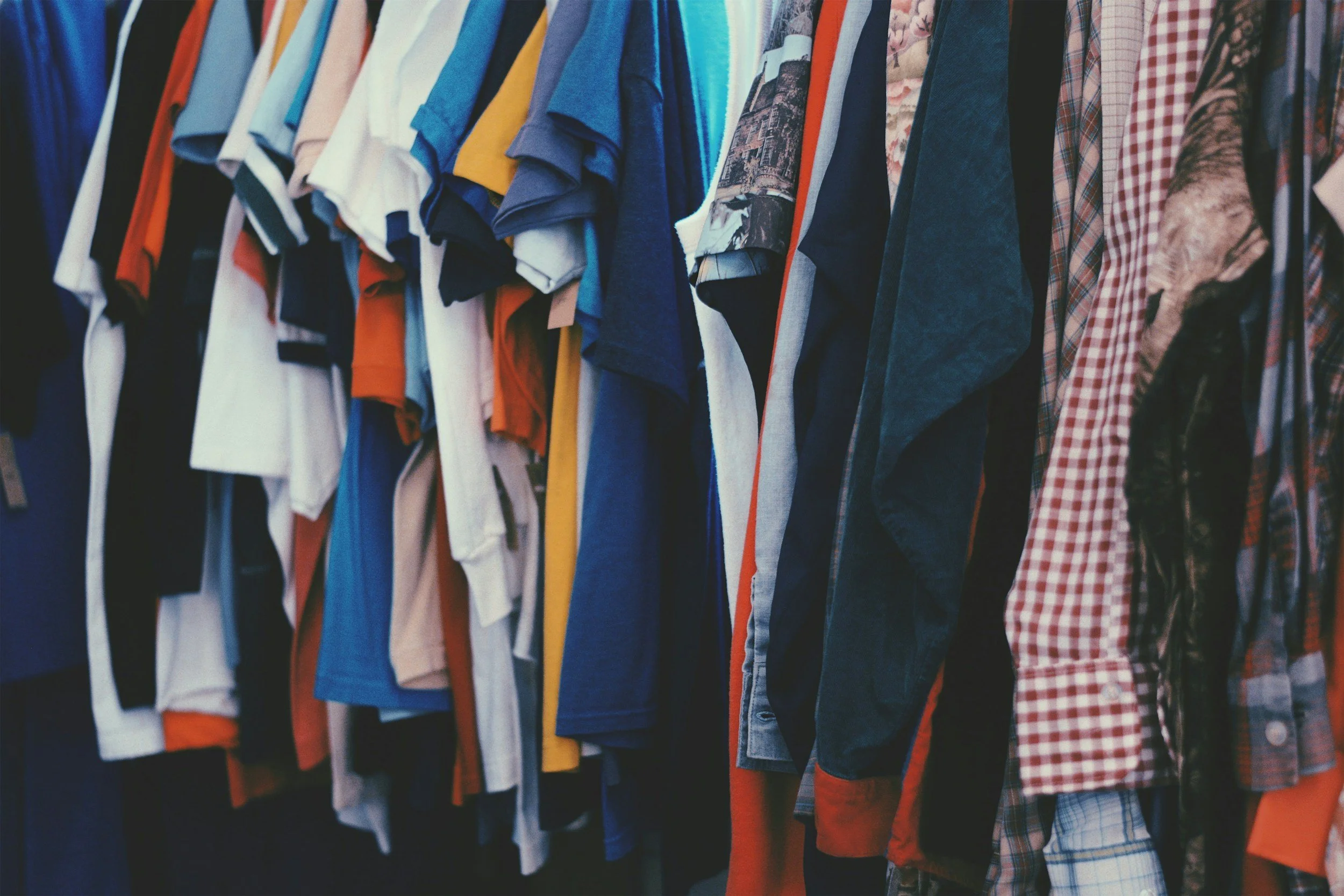
Autumn is rolling in, bringing a welcome reprieve from scorching summer temperatures, and it’s time for a wardrobe change!
But before you place that order for a brand new pack of base layers, let’s take some time to learn about what textiles are made of and the impacts of different material types on the environment and our health.
In this edition of Slow the Flow, we’ll identify key areas along the life cycle of textiles where we might intervene– from purchase to disposal– to make the most impact.
So, what’s the problem with textiles?
You’ve likely already heard about the environmental consequences of fast fashion.
Across the globe, 92 million tons of textile waste is produced each year.

The Dandora dump site. Photo credit: Falkue
Much of this waste is fueled by the fast fashion industry and ends up landfilled, incinerated, or dumped overseas—as in the cases of the massive dump sites at Dandora in Kenya and Atacama in Chile (the Chile site is so large it can be seen from space).
To compound the issue, clothing is increasingly made from synthetic materials—meaning it doesn’t break down completely and the resulting microplastics can find their way into other parts of the environment, including waterways, where they’re ingested by marine life.
Shockingly, 70% of microplastics in the ocean are the type found in synthetic “clothes, textiles, & fishing gear”.
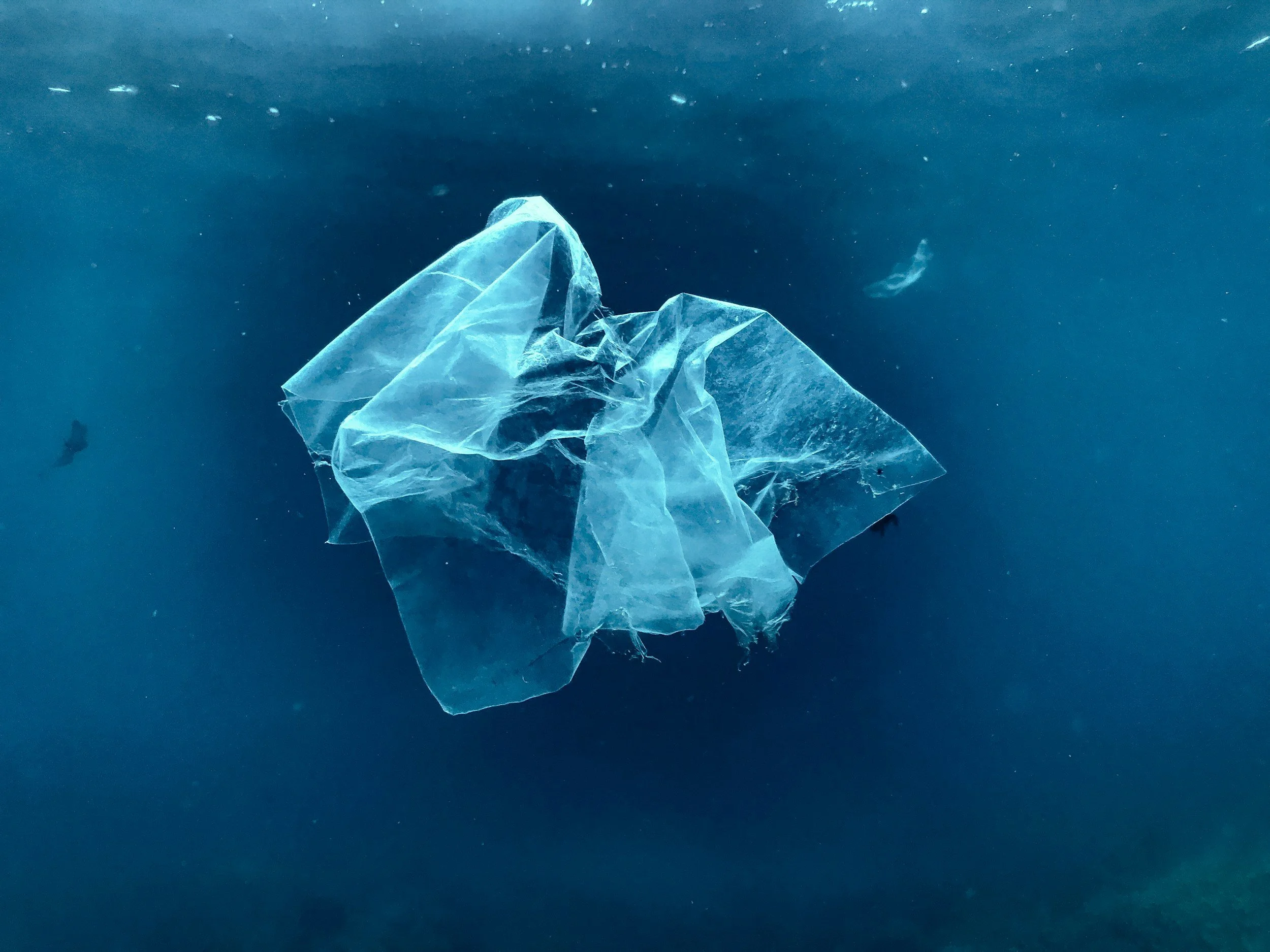
*Fun fact: In July, the Newport Aquarium highlighted the issue of ocean plastics with the unveiling of a sea turtle sculpture made with reclaimed and upcycled plastics. It was created by students at Springer School & Center and materials were sourced from Cincinnati Recycling & Reuse Hub!
But what about the impact of synthetic textiles on human health?
If you’ve read our previous blogs in the Slow the Flow series, you’ll know that more and more studies are coming out that link microplastics and their associated chemicals to a whole host of health issues.
Many of these studies focus on the impact of plastics that come into contact with the foods we eat– but what about the clothes we wear? Or the bedding we sleep in? Or the carpets in our homes?
Turns out, there are 3 main routes of exposure to microplastics and their associated chemicals– ingestion, absorption, and inhalation– so just because we don’t chow down our textiles doesn’t mean we’re in the clear.
As we wear synthetic materials, they shed microplastics (in the form of fibers) along with their dyes and chemical additives, releasing them into the air and our surroundings.
Synthetic fibers have been “detected in drinking water, food, human brains and blood, soils, and much more”.
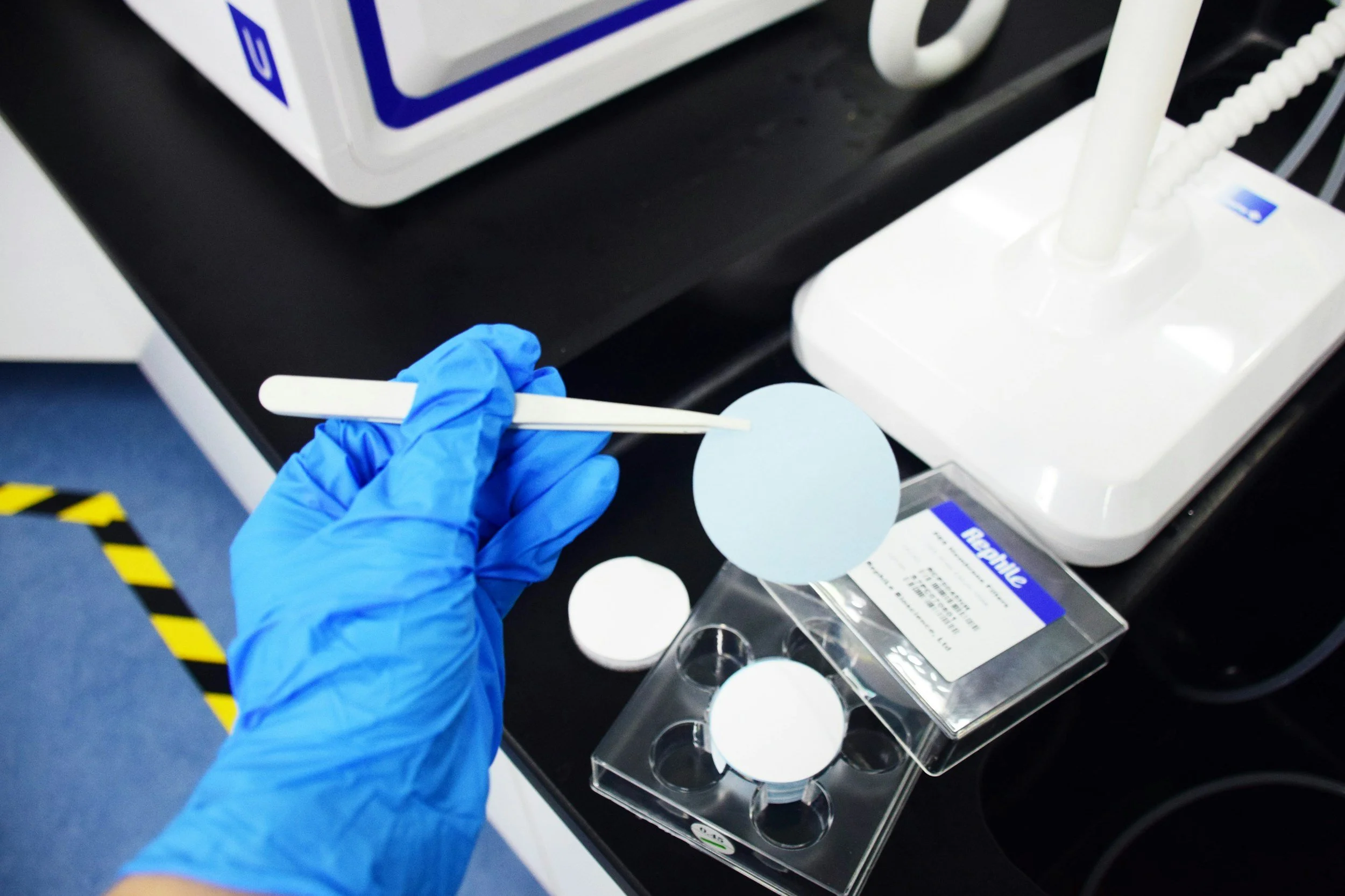
While researchers are still working to pin down just how this specific type of exposure affects the human body, there have been studies that suggest links between microplastics and risk of heart attack, stroke, Alzheimer’s and Parkinson’s, and even infertility, among a handful of other conditions.
The fibers in children’s clothing deserve special attention, as kids may be especially susceptible to the effects of microplastics.
And it’s not just clothes. Some non-clothing textiles in our daily lives that are likely synthetic include bedding and carpets.
One experiment from this 60 Minutes Australia investigation, ‘Why Scientists are Warning us About Everyday Plastics’, tested several rooms in a home for microplastics and found that the highest concentration was in the only room with carpeting.
How to know if textiles are synthetic
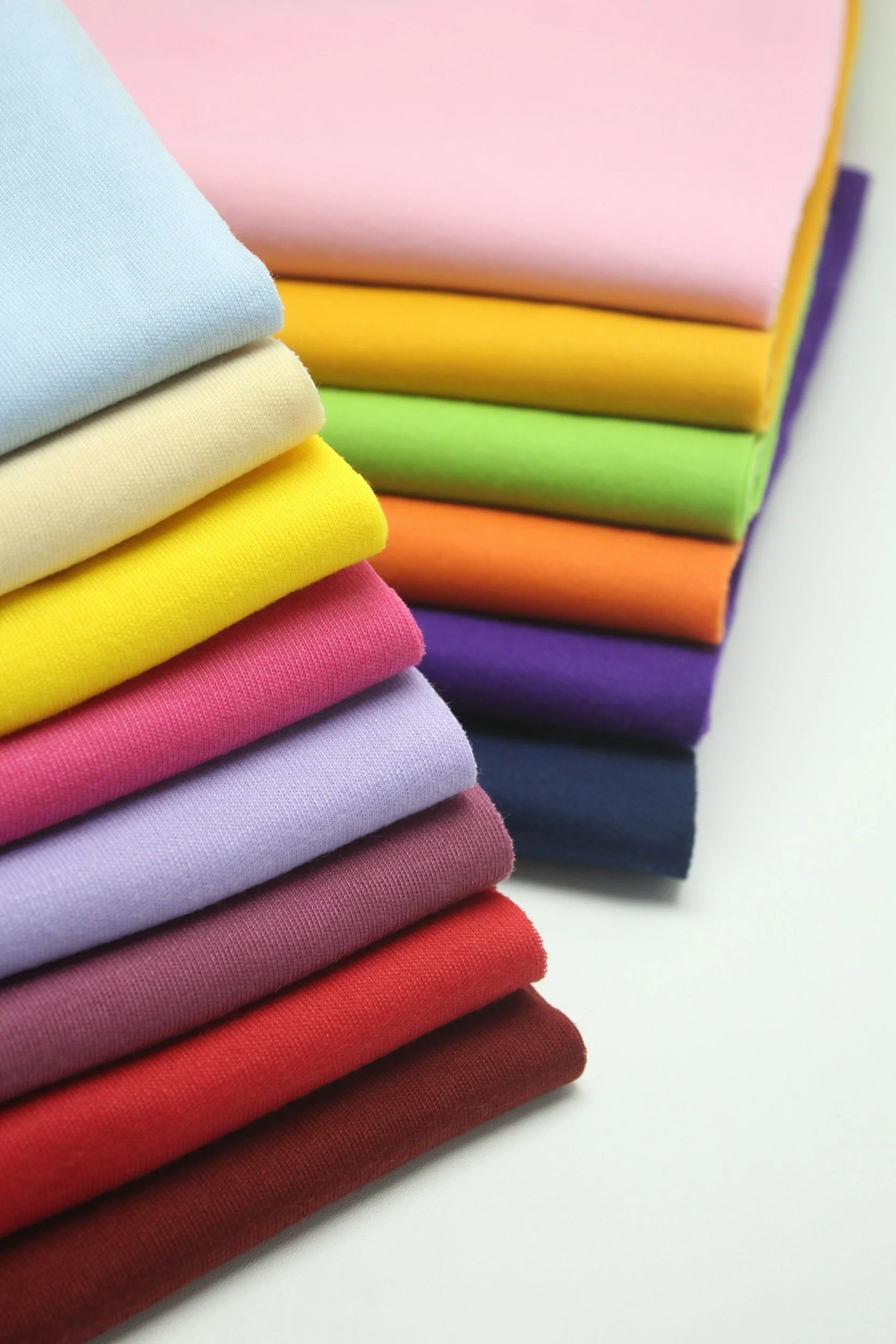
Check the tag!
If you see any of these material types listed, the fabric contains synthetic fibers:
Polyester*
Nylon
Acrylic
Elastane (Spandex or Lycra)
*Recycled polyester has been shown to shed even more microplastics than virgin polyester
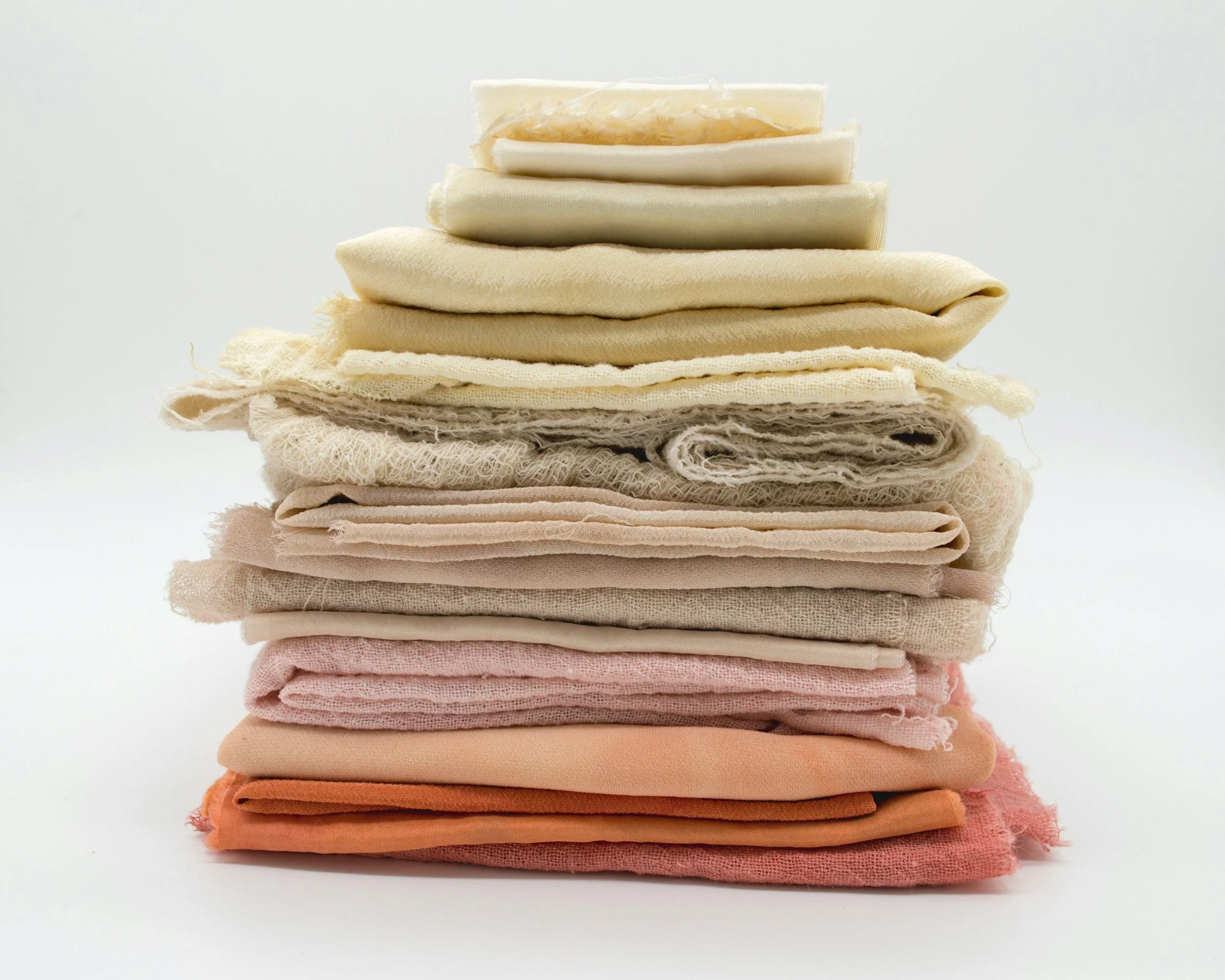
Here are some examples of natural (non-synthetic) fibers to look for:
Cotton*
Linen
Wool
Hemp
Jute
Silk
Cashmere
*Even cotton and other natural fibers are not entirely unaffected by microplastics. Conventional growing practices use plastic sheets as mulch and a study of cotton fields in China found that “hundreds of thousands of tons of plastic residue had accumulated in soils and reduced cotton yields”.
Note: Semi-synthetic fibers like rayon, modal, and lyocell are derived from plant cellulose rather than petroleum and do not break down into microplastics, but do undergo intensive chemical processing and may contain potentially harmful chemicals or dyes.
Now that we’ve got the types of fiber down, what are other ways we can practice mindful consumption when we purchase textiles?
REDUCE
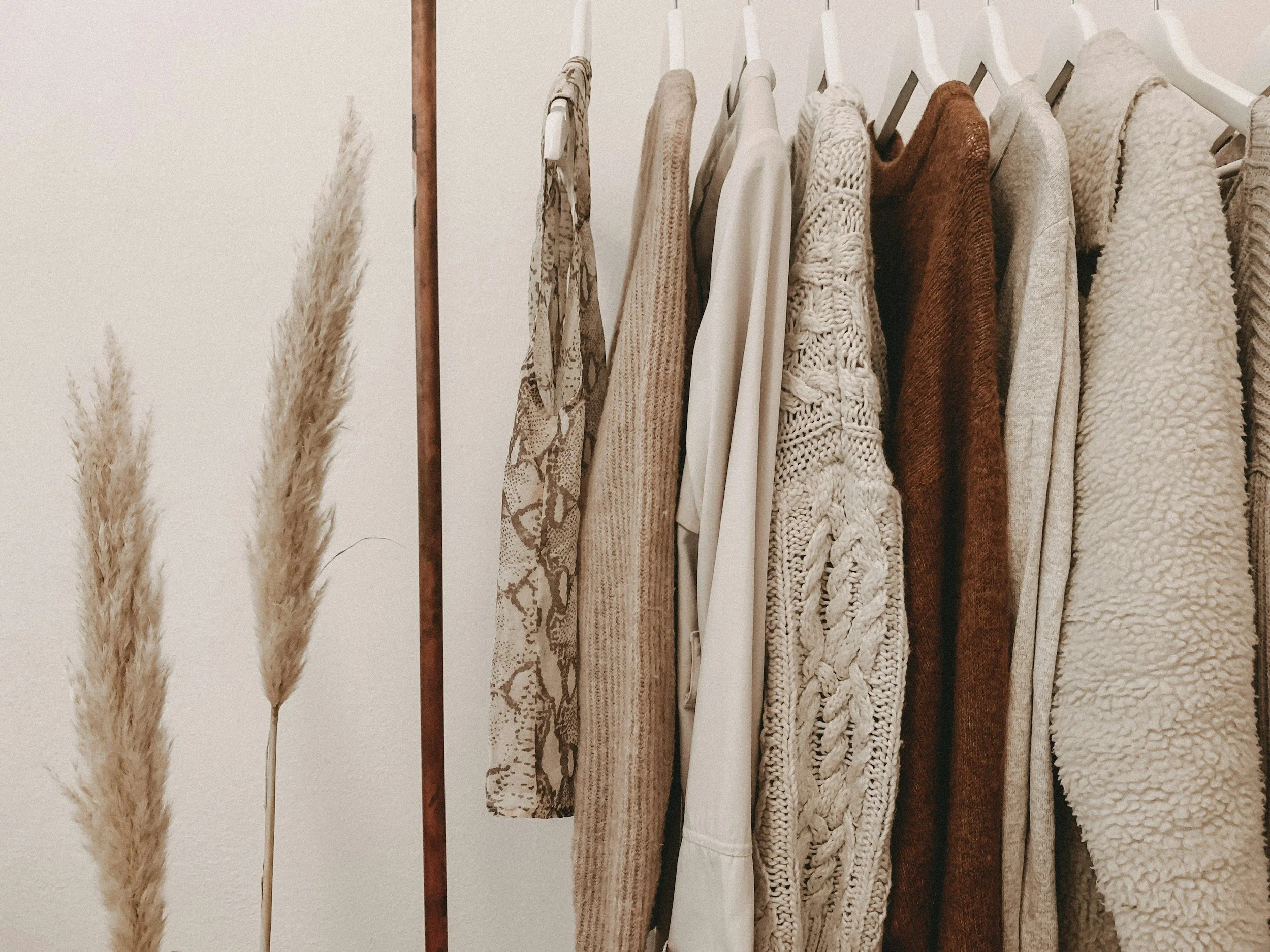
If you’re concerned about reducing your overall fashion footprint, consider a capsule wardrobe!
Fast fashion is the largest contributor to textile waste, so try to center your wardrobe on well-made, durable pieces that will last.
Roomier pieces are great because they can accommodate natural fluctuations in our body sizes.
REPAIR AND MAINTENANCE
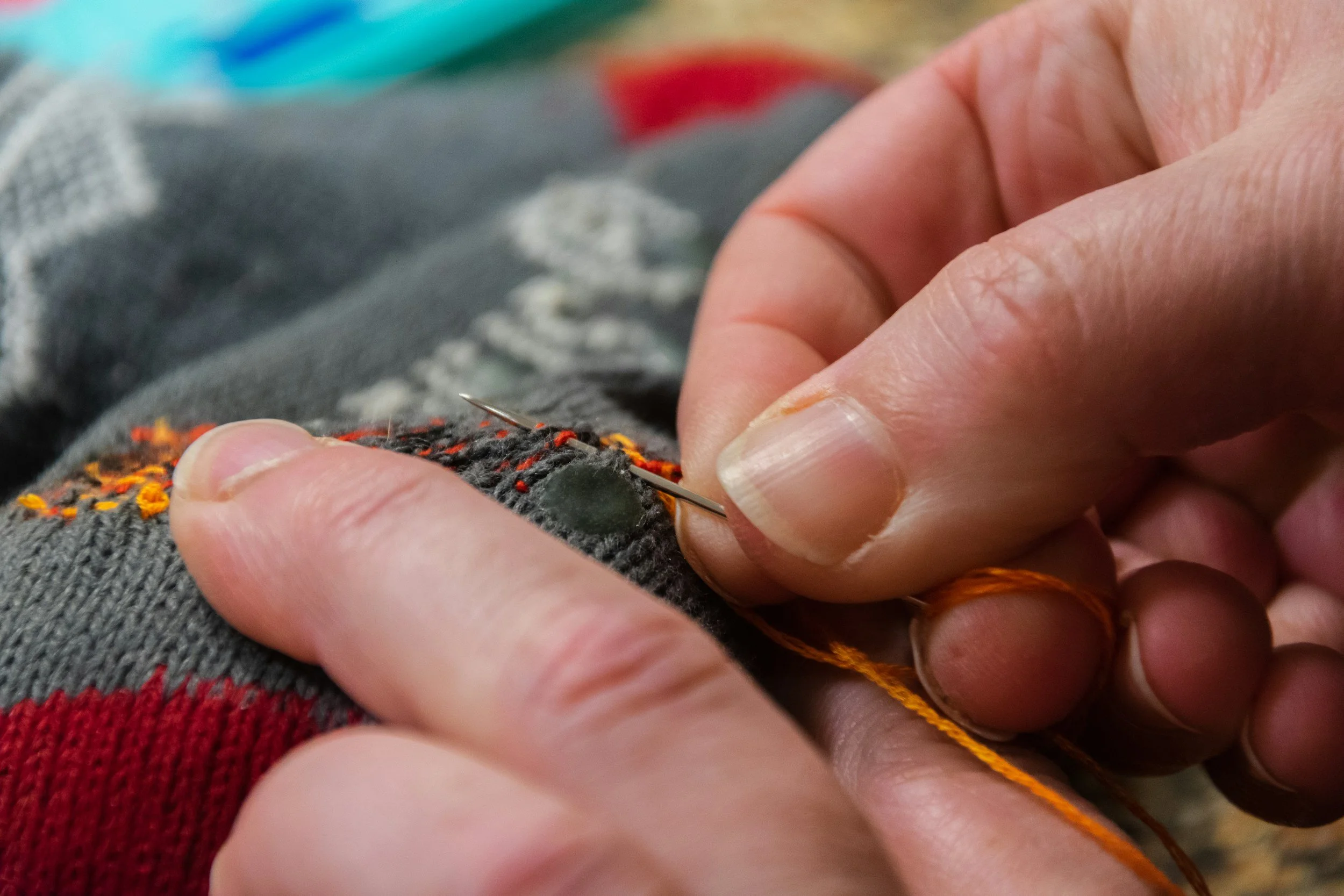
Experiment with repair and visible mending techniques! Not confident in your sewing skills? No problem!
Local slow garment factory and Hub partner, Sew Valley, offers classes for beginners. In fact, they recently partnered with Hamilton County ReSource and Ohio Valley Goodwill to offer a free mending course to the public!
If you’d rather leave it to the professionals, there are local garment repair services like NVISION in Northside, or mail-in garment or shoe repair businesses like Upkept or Cobblers Direct.
For socks, Darn Tough socks come with a lifetime warranty– just send back your old pair. They’ll send you a new pair and recycle the old ones!
When it comes to keeping your textiles in good shape, laundry plays a big role!
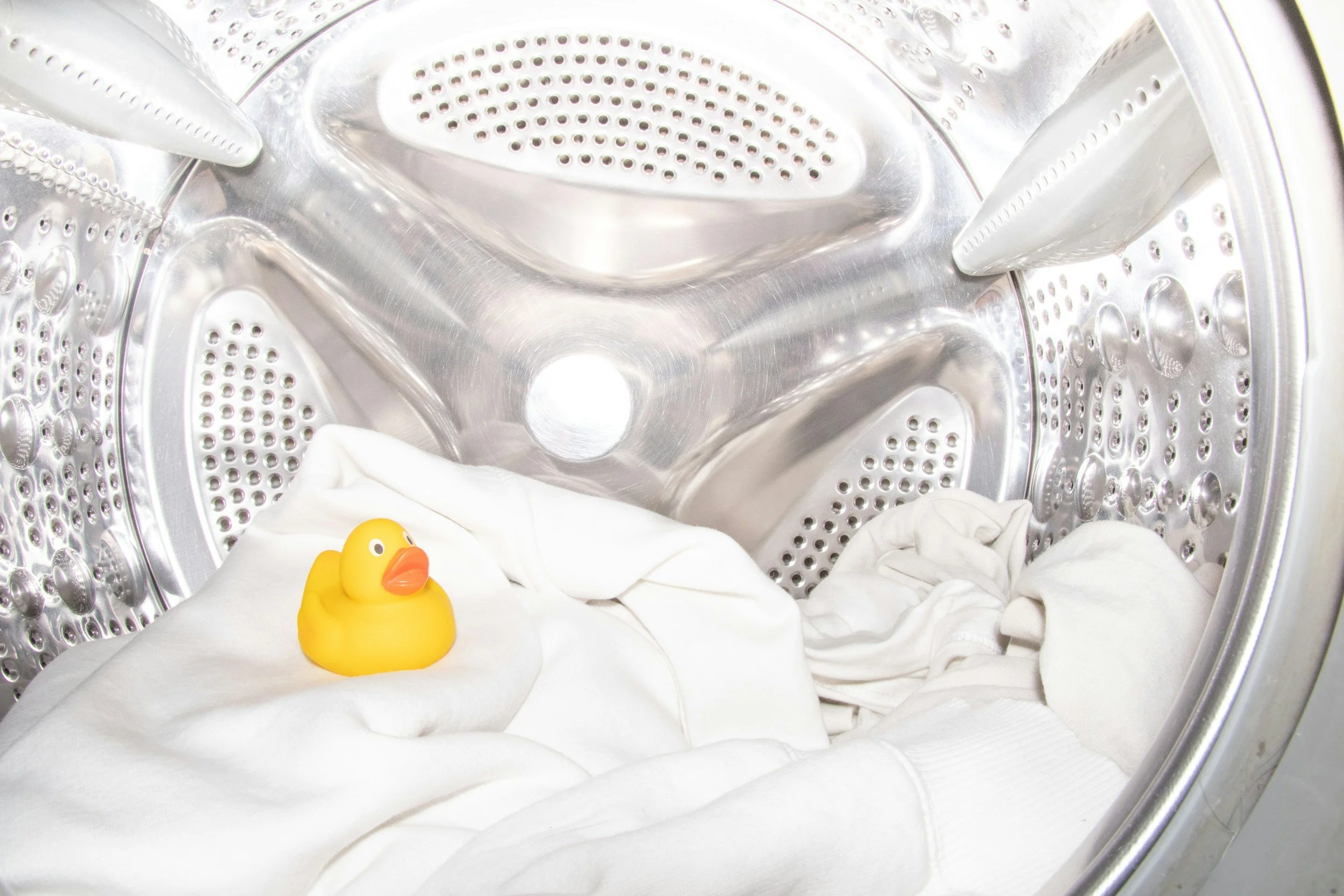
You can even ‘Slow the Flow’ of your laundry routine by opting to use cold water, plastic-free laundry detergent options like Blueland tablets or Hexawash pouches.
Use a clothing horse to hang dry your clothes, or use wool dryer balls and low heat to help your fabrics last as long as possible.
For stains, the Hub’s Outreach & Corporate Services Manager, Brittany, recommends a Meliora soap stick stain remover. She found hers at local low-waste store, Lierer’s Market!
Doing laundry can also be a huge source of microplastics– with 35% of ocean microplastics attributed to washing synthetic fibers– so you may want to try a microplastic filter for your washing machine to stop these EPA-designated “priority water contaminants” in their tracks.
REUSE
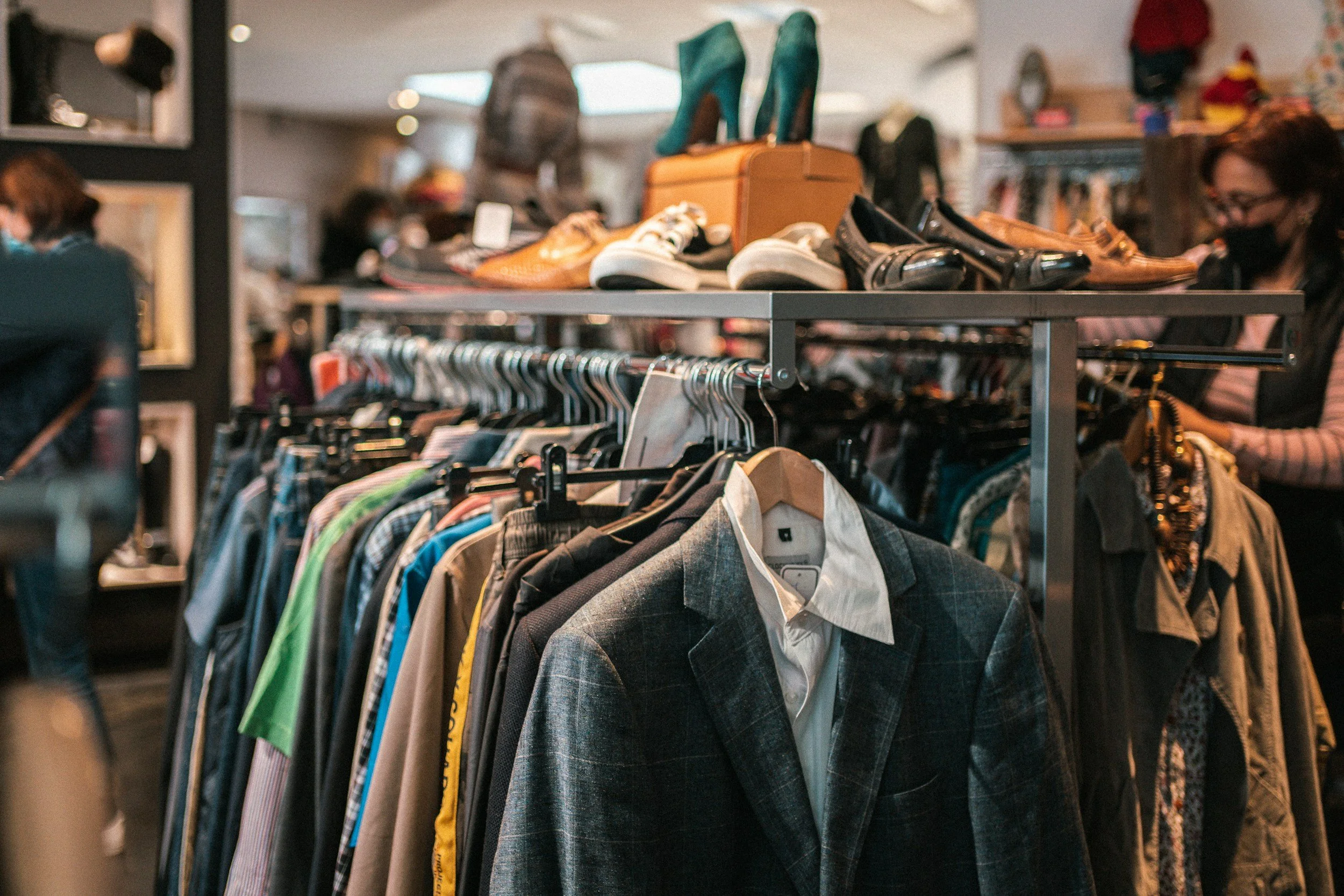
Choose reuse! Check out thrift stores and consignment shops, or businesses that upcycle textiles, like previously mentioned Sew Valley, or Rephrase in Oakley, that makes one-of-a-kind pieces out of thrifted men’s shirts.
There are even businesses that unravel yarn from secondhand sweaters to make new products, like Reanimate Threads.
For certain occasions, like with Halloween costumes (spooky season is right around the corner!), school spirit wear, graduation gowns, and formal events like proms, rentals or swaps may be the way to go to prevent waste and to avoid spending money on something that will only be worn once or a handful of times.
If you’d rather buy new, but would still like to stick to natural fibers, here are some options:
Charlie Darwin Textiles specializes in “plant-based fabrics and dyes in earthy tones and textures”
Down Decor offers 100% cotton and down bedding
Macy’s is recommended by Hub volunteer, Mary, as a department chain that carries a decent selection of cotton clothing
RECYCLE/END-OF-LIFE
When your textiles have finally reached their end-of-life, what can be done with them?
Here at the Hub, we do accept some textile items for recycling and we hope to expand our textile program in the future*.
The Hub even hosted its first Fiber Forum in 2025 to gather industry experts to help identify solutions in our area– and the 2nd Fiber Forum is set to occur at the end of October, co-hosted by the Cincinnati Makers Collaborative, to expand on our initial findings.
Currently, we partner with Miller Waste Mills to recycle denim and jeans, which is turned into products like insulation, pet beds, and acoustic paneling.
Even though denim is made from cotton, it can still be resource intensive– using 3,800 liters of water to make a single pair– so it’s best to extend the life of your jeans as long as possible!
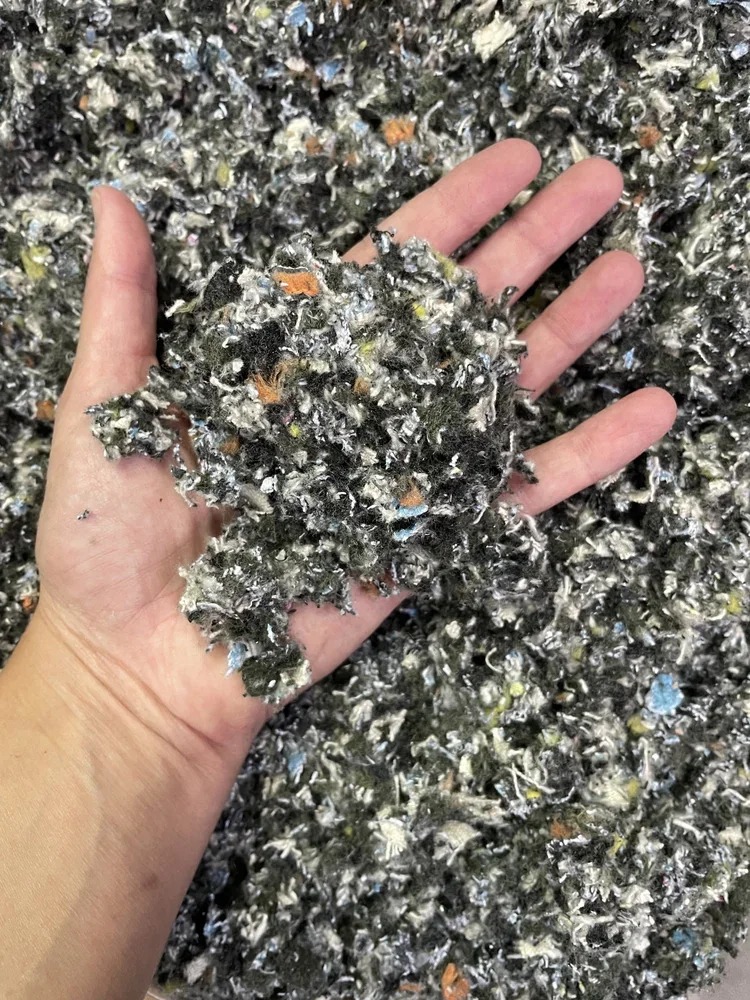
We’ve also recently rolled out a partnership with Sew Valley to recycle designer fabric samples into “shoddy”, or shredded fabric used as fiber fill, which is now available for sale in the Hub Shop for $4/lb.!
Sew Valley superstar, Ayana, says:
“Sew Valley's fiber fill, lovingly known as SV Shred (aka shoddy), offers a more sustainable alternative for various project needs! Made from fabric scrap that has been dropped off by our community and from their production floor, the scrap is processed to a fine consistency that can be used in pillows, stuffed pals, and so much more. Shredding down fabric scrap reduces the amount of textiles that end up in landfills every year through downcycling it for reuse, extending its overall life.
SV Shred comes in a variety of colors and fibers based on production and community scrap drop-offs. Sew Valley's assortment of SV Shred ranges from 100% cotton to their super blend.
Sew Valley is excited to partner with The Hub to divert more textile waste out of landfill and extend its reach within the community.”
-
*Interested in helping us grow textile recycling in Cincinnati? Textile waste is a huge problem and barriers to recycling the material include the cost of labor, storage space, and shipping. If you’d like to contribute to the cause, we’d love to hear from you!Suay’s mail-in textile recycling bags are an upcycling option that give clothes new lives as custom upcycled pieces. However, this program was recently put on hold due to the volume of materials they’ve already received– indicative of the massive scale of the textile waste problem.
Another way to upcycle old clothing is by reclaiming the fibers to DIY something new. Hub volunteer, Michelle, used fabric scraps from the Hub Shop to make patchwork tote bags that were available for sale in the Hub Shop earlier this year!
Then, of course, there’s donating. You may have a drop-off bin or secondhand store nearby that accepts textiles for reuse of and recycling.
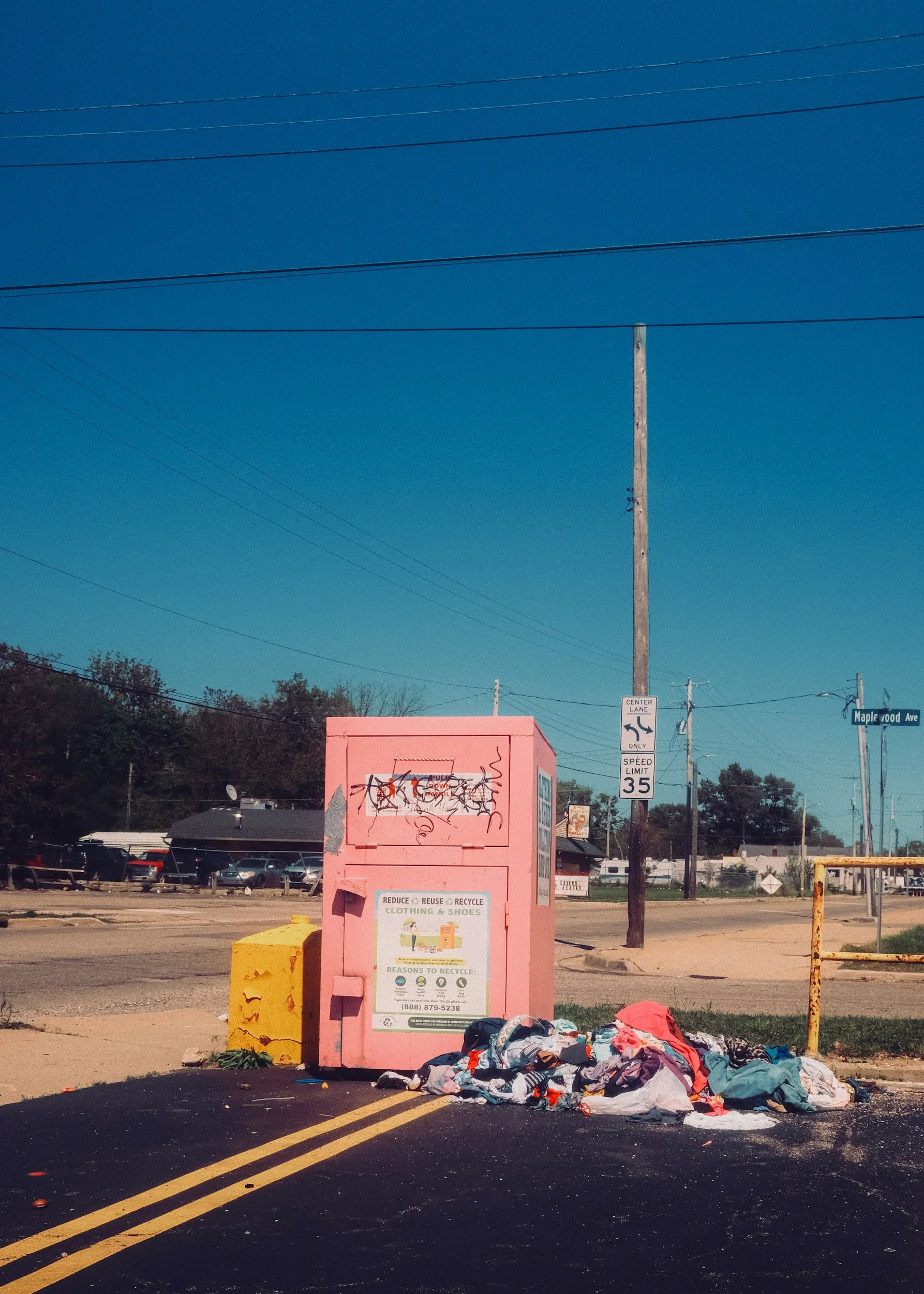
A word of caution– many bales of donated textiles wind up being dumped overseas– as we saw with the dump sites in Kenya and Chile at the start of this post– so be sure to look into where the material ends up.
Summing it up
From production to disposal, fast fashion and textiles have an undeniable impact on the environment and on human health. I hope you were able to glean some useful information from this edition of Slow the Flow about why our relationship with textiles deserves thoughtful reconsideration.
Armed with this knowledge, as we swap out our t-shirts and shorts for sweaters and thermals this season, we can practice mindful consumption to reduce our exposure to harmful chemicals while slashing the amount of textile waste being sent to landfills and incinerators.
If you’re interested in learning more about textiles and sustainability, here are a few additional resources to check out:
Crunchy Leaves Sustainability Collaborative
If you’ve got your own textile wisdom to share, feel free to leave a comment below!