
COMMUNITY HEALTH ADVISORS
Focused on Wellness
Our Community Health Advisors help guide the organization’s efforts to create an environment that is most beneficial to human health. This accomplished team brings decades of experience across a wide range of health-related fields, making them an invaluable resource to the Hub and the Greater Cincinnati community. Their expertise helps ensure that the Hub’s programs, practices, and priorities are grounded in a commitment to protecting and improving the health of both people and the environment.
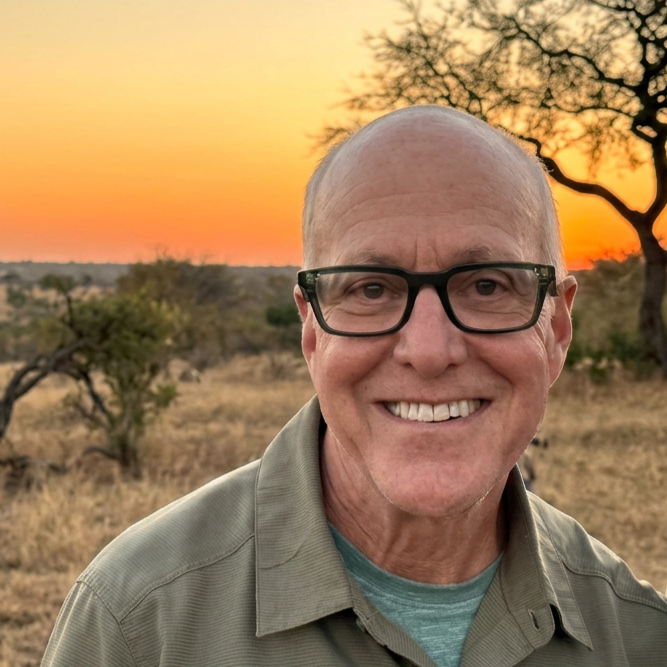
Bruce Bernard, MD, MPH,
Chief Medical Officer, CDC (Retired)
NIOSH Health Hazards Evaluation Program
Bruce Bernard, MD, MPH, retired from a career at the National Institute for Occupational Safety and Health (NIOSH), within the Centers for Disease Control and Prevention (CDC). He is board-certified in Internal Medicine, and completed fellowships in Occupational and Environmental Medicine, and Toxicology. He served 30 years in the U.S. Public Health Service Commissioned Corps. At NIOSH, as Chief Medical Officer of the Health Hazards Evaluation Program, he led teams that identified and protected U.S. workers from hazardous exposures and unsafe working conditions through on-site medical/industrial hygiene investigations and epidemiological studies.
He was also involved in major domestic and international emergency responses dealing with worker health and safety, including: the 9/11 World Trade Center disaster, the 2001 Anthrax Incidents, the 2004 Indonesian earthquake/tsunami , 2004 Hurricanes Katrina/Rita, the 2010 Deepwater Horizon Oil Spill, the 2011 Japan Tsunami, 2012 West Nile outbreaks, Hantavirus, Zika outbreaks, and the 2016 Ebola outbreak in Liberia. He has over 30 published articles on occupational health, epidemiology, and workplace investigations.
His current interests deal with health and safety of dealing with recycling of universal waste products, including lithium batteries, fluorescent lights, and plastic balers.
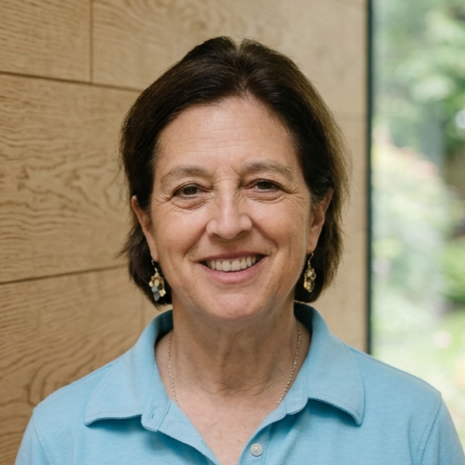
Evelyn Joseph, MD
Pediatrician
Dr. Evelyn Joseph, M.D., is a Cincinnati pediatrician who has dedicated her career to caring for children and families in Greater Cincinnati. A graduate of the University of Cincinnati College of Medicine, Evie completed her pediatric residency at Cincinnati Children’s Hospital, and then served the community through her private practice for nearly three decades.
Dr. Joseph was a founding member of the Cincinnati Pediatric Research Group, participated in guideline committees at Cincinnati Children’s Hospital, and worked for several years in a clinic for child victims of sexual abuse.
“Dating back to a long-ago-internship at the EPA studying water pollution and throughout my professional career, there is one connection: a wish to protect children’s health in every way, including the air they breathe, the water they drink and the food they eat. This all goes to explain why the Hub is so dear to me.”
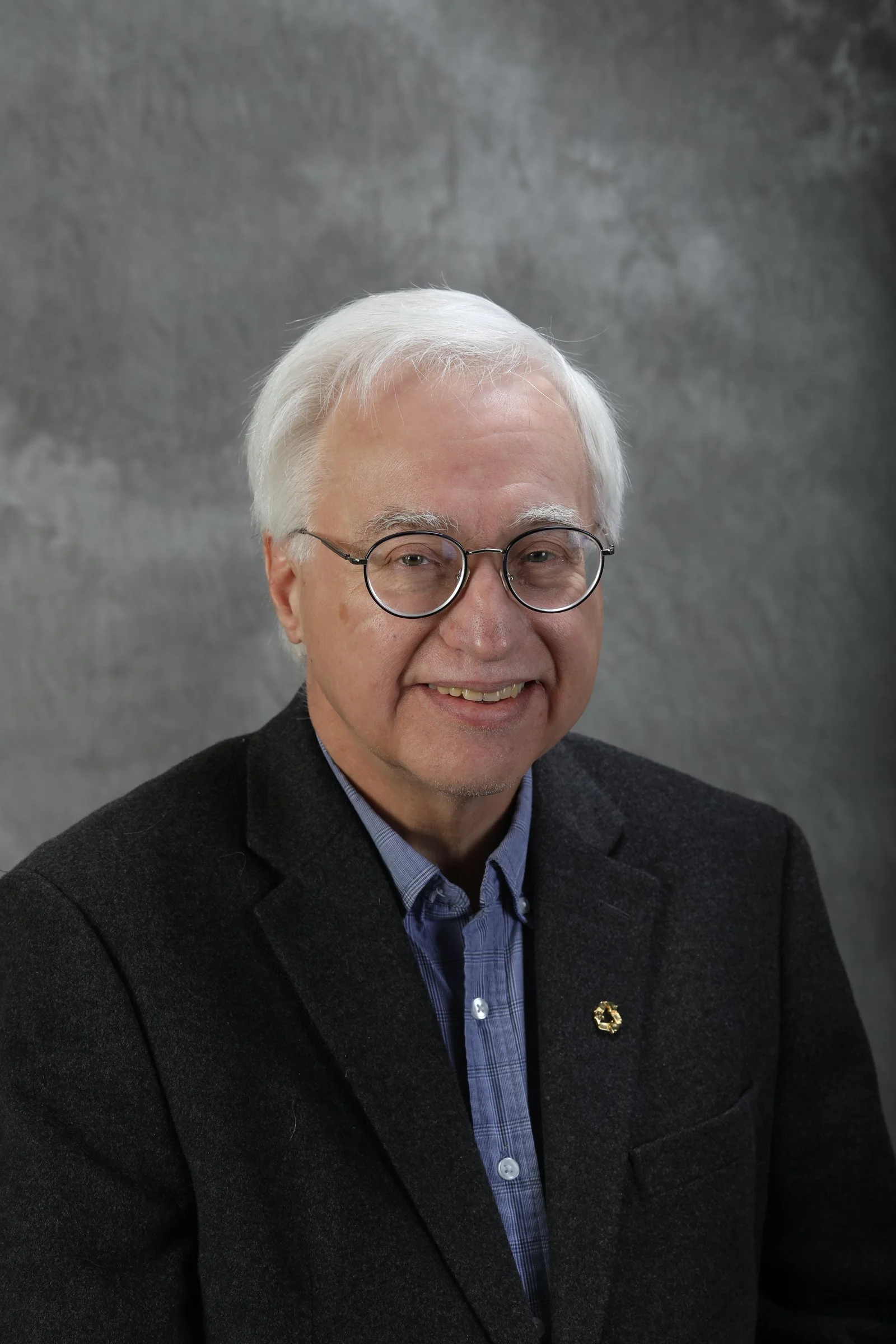
Bob Gedert
President, National Recycling Coalition (Retired), and author
Bob Gedert retired from a 45-year recycling career, guiding communities toward sustainable materials management and bridging recycling best practices with operational efficiency and sustainability. He is a past president of the National Recycling Coalition, serving as a national leader and advisor in promoting waste reduction, reuse, and recycling.
He has written a book on the effects of plastics on human health, the environment, and their impact on climate change. The book, Untangling Plastics, offers direct actions one can take to eliminate the harms of plastics and to slow the effects of climate change. He also teaches a semester-long class on climate change at Xavier University in Cincinnati.
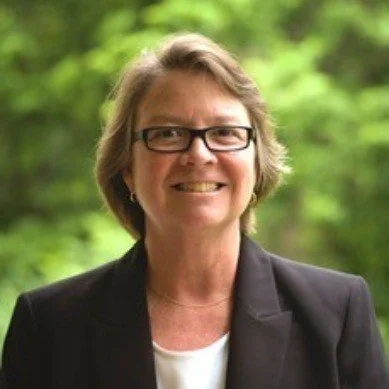
Sue Magness
Recycling Coordinator, City of Cincinnati
Office of Environment and Sustainability
Sue Magness is a longtime leader in Cincinnati’s recycling and environmental education efforts, serving as Recycling Coordinator with the City of Cincinnati’s Office of Environment & Sustainability since 2008. Sue has played a key role in expanding participation, improving public education, and making recycling more accessible to Cincinnati residents.
Her leadership has earned recognition including the American Society for Public Administration’s Public Administrator of the Year for Program Excellence and the Environmental Education Council of Ohio’s President’s Award.
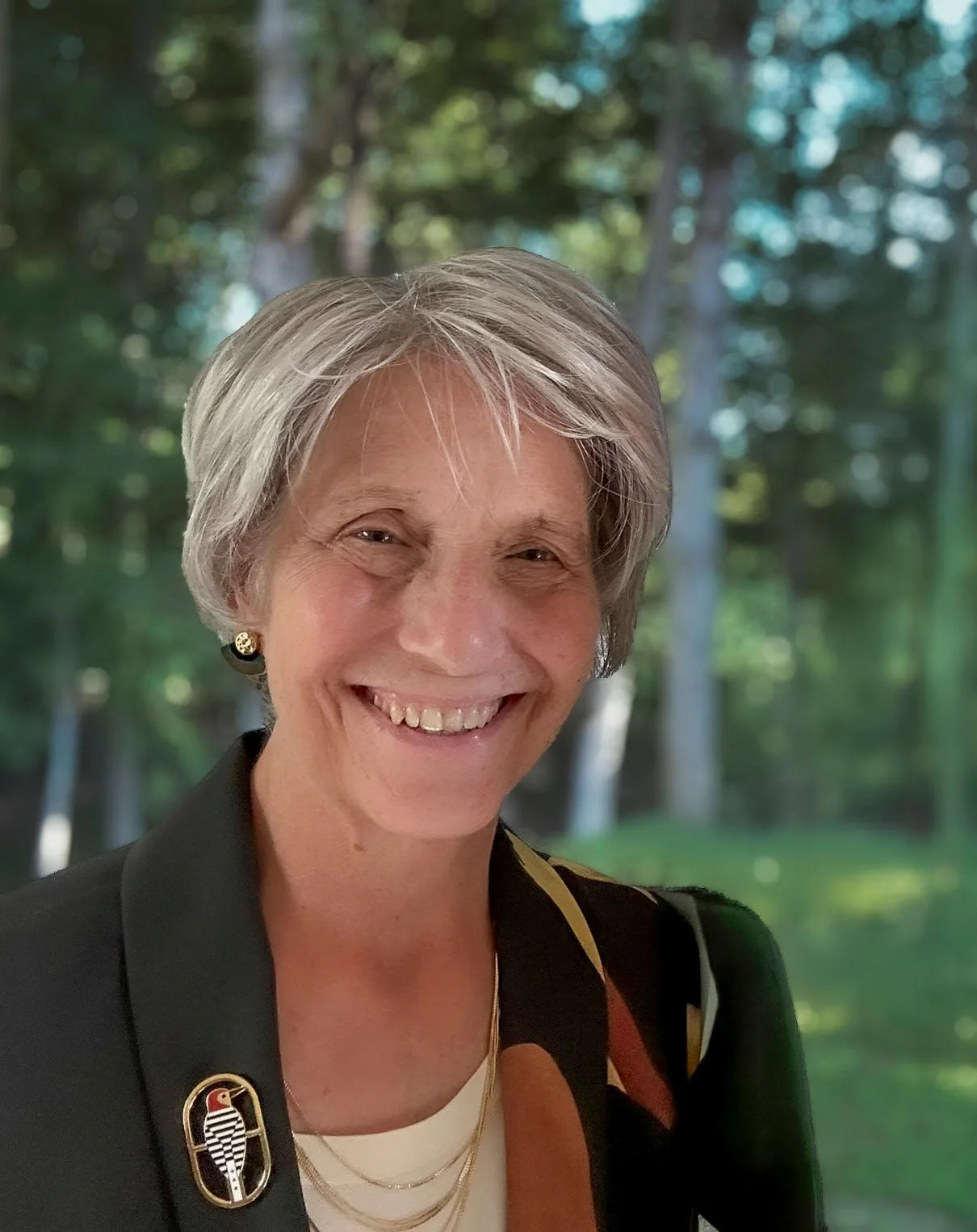
Cindy Sonich-Mullin,
Director, EPA (Retired)
National Risk Management Research Laboratory
Cindy Sonich-Mullin is an environmental health scientist dedicated to applying science to protect public health and the environment. She began her 43-year career with the U.S. Environmental Protection Agency (EPA) as an intern studying the public health impacts of a carbon tetrachloride spill into the Ohio River and retired as Director of EPA's National Risk Management Research Laboratory.
With a Master of Environmental Science and advanced training in epidemiology and biostatistics, Cindy’s career focused on environmental health research, risk assessment, and emergency response. Her work led to national and international leadership assignments, including a three-year detail to the World Health Organization, where she established and led a global environmental health program. Following the events of September 11, 2001, she developed EPA's rapid risk assessment program to support the Agency's homeland security mission and later led EPA's scientific response during the Deepwater Horizon oil spill. Throughout her career, she focused on solutions-based scientific research, including sustainable materials management.
In retirement, Cindy is a member of the Environmental Protection Network and serves on the External Advisory Board for Miami University's Institute for the Environment and Sustainability. She remains committed to mentoring the next generation of environmental professionals and advancing science-based solutions to environmental challenges.