
Slow the Flow: Kitchen Edition
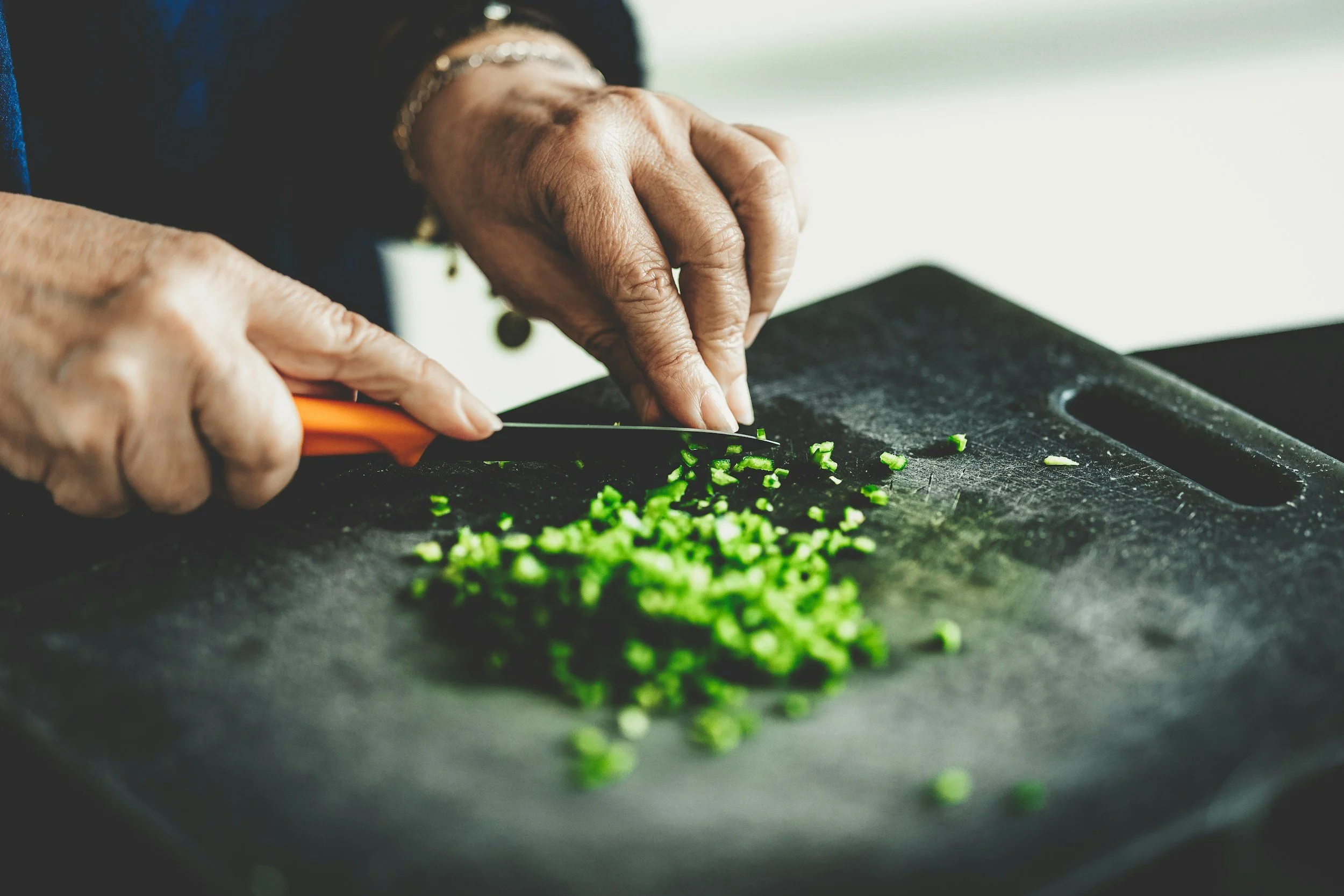
For this edition of Slow the Flow, let’s talk microplastics, and, as the place where we prepare our foods, where better to start than in the kitchen? From plastic cutting boards on the countertop to plastic sponges in the sink, this ubiquitous material shows up just about everywhere in our daily lives, and its presence is particularly evident in our kitchens.
So, what are microplastics and what makes them so harmful? Once we wrap our brains around this, we can reassess our relationship with plastic in the kitchen (and in the other areas of our lives).
What are microplastics and why are they everywhere?
Beginning in the 1950s and ‘60s, manufacturers saw an opportunity for growth and began to promote throw-away consumerism by marketing their products as disposable. This was pitched to the public as a miracle of convenience. No need to scrub dishes when you can just throw away the plastic plates and silverware (and then buy more to replace them)!
At the same time, plastics were finding their way onto the market as more affordable (albeit less durable) alternatives to more traditional materials like metal and wood. They began finding their way into clothing, vehicles, toys, and many other facets of life. Plastics were not only cheap to make, they were also plentiful (their main components being byproducts of fossil fuel extraction), and this created a very lucrative industry.
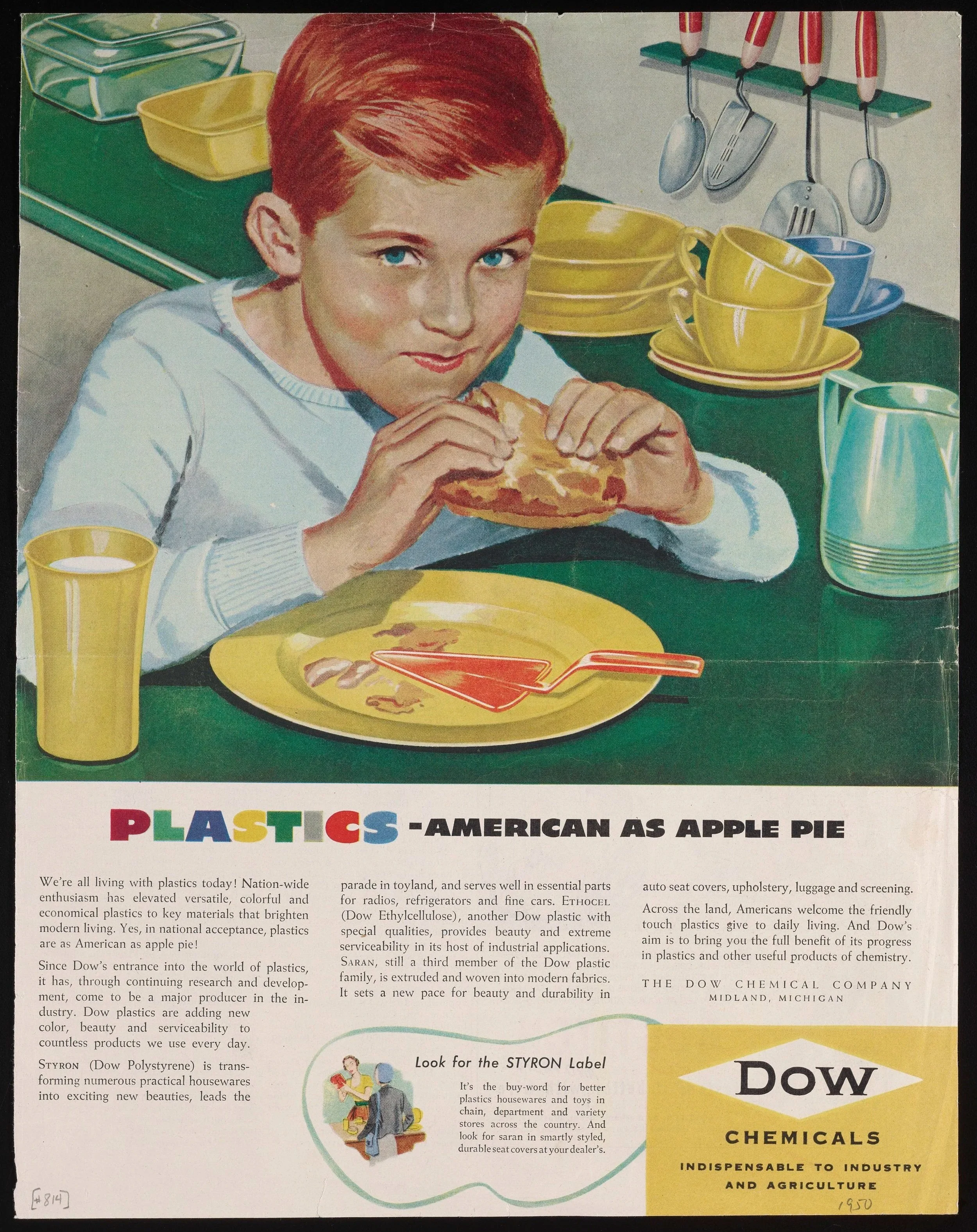
A Dow Chemicals ad from 1950 touting the many uses of plastics
Plastics (particularly disposable ones) quickly became the new norm, with the editor of Modern Packaging Magazine being so bold as to say:
“... it was time for the plastics industry to stop thinking about "reuse" packages and concentrate on single use. For the package that is used once and thrown away, like a tin can or a paper carton, represents not a one-shot market for a few thousand units, but an everyday recurring market measured by the billions of units. Your future in packaging, I said, does indeed lie in the trash can. The happy day has arrived when nobody any longer considers the plastics package too good to throw away“.
In the end, what seemed at the time like a huge win for convenience wound up being a huge loss for the environment and for our health. We didn’t consider what happens to items that we throw ‘away’—where they go and how they interact with the environment and our natural resources. What the public didn’t know then– and is just starting to figure out– is that plastic never really goes away. Instead, over time, and with exposure to the elements, plastic fragments into smaller and smaller pieces called microplastics or nanoplastics (while still retaining its chemical structure as plastic). There, it becomes a “widespread and severe environmental threat which is accumulating”. So, with the continuing inundation of plastic into the market, we’re left to find a remedy to the mounting issue of microplastics. ‘So what?’, you may be thinking. ‘How much damage can little pieces of plastic do?’
Quite a lot, as it turns out.
What makes microplastics harmful?
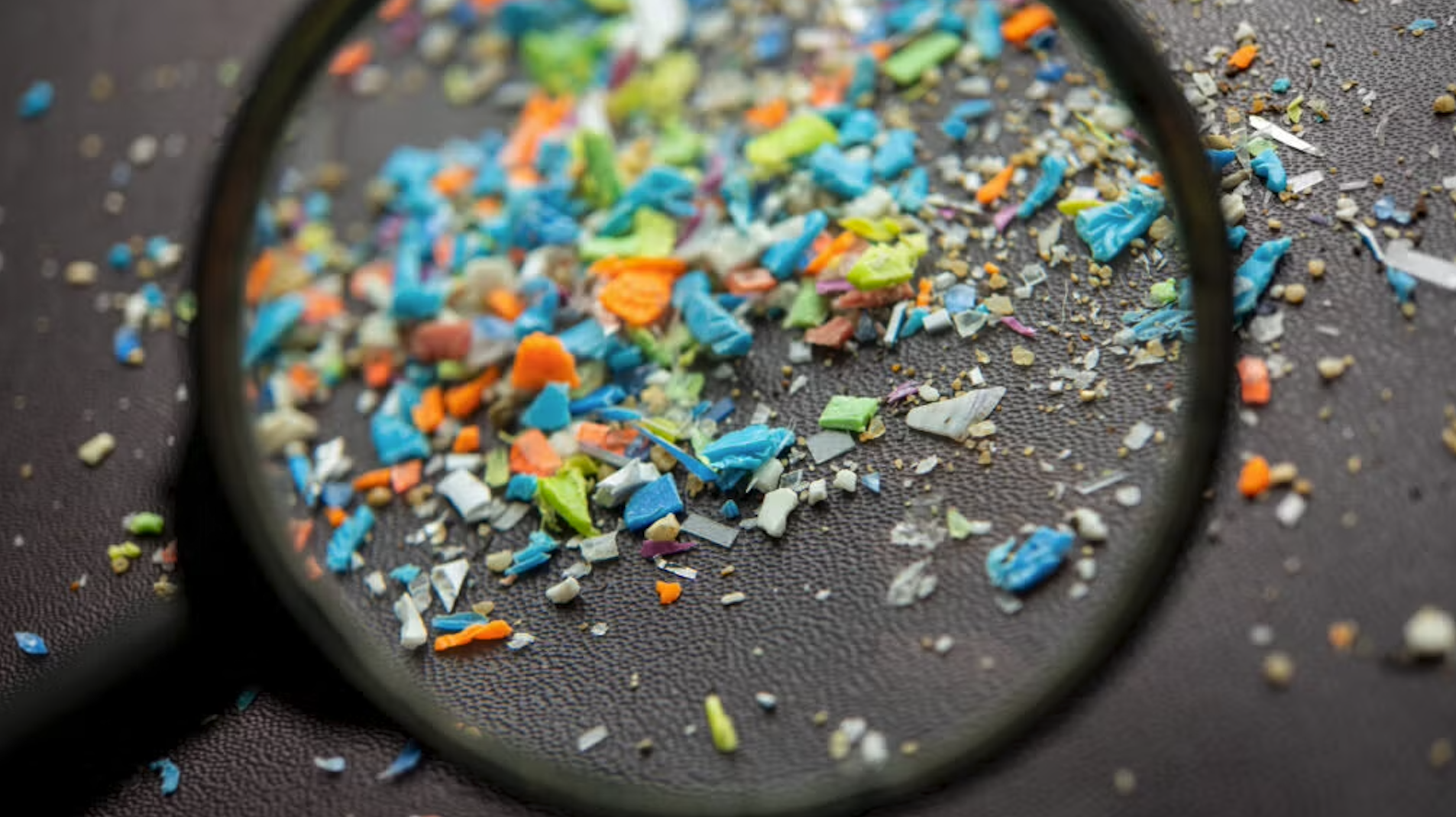
Several factors come together to make microplastics harmful to our bodies. Firstly, because they are so small, less than 5 millimeters in diameter, they are able to enter the body via three possible pathways: Ingestion, inhalation, and absorption. Studies have found microplastics in human “cardiovascular, digestive, endocrine, integumentary, lymphatic, respiratory, reproductive and urinary” systems and beyond—their small fragmented size allowing them to infiltrate our bodies’ usual defenses.
To complicate things further, many additives are mixed in with plastics to imbue them with certain properties. A couple of commonly known examples are BPAs and phthalates. Originally intended to make plastic harder or more flexible, respectively, these additives “commonly used in food packaging are known to be hormone-disruptors”. More recent research is also finding that some additives in plastic act as ‘obesogens’, or “endocrine disrupting chemicals that promote obesity”, while others may negatively affect the immune system or fertility (for a fascinating look into the effects of plastic and their associated chemicals on fertility, check out The Plastic Detox on Netflix).
Additionally, because microplastics don’t decompose, they can amass, or bioaccumulate inside organs and tissues, possibly causing damage and loss of functionality. When the microplastics accumulate, the toxins may do the same. Beyond direct contact, we may be unwittingly exposed to plastic through our diets. Tiny pieces of plastic can be attractive to animals mistaking them for a food source and this mechanism can become especially harmful as it is amplified up the food chain, resulting in higher and higher concentrations of plastics and toxins.
“It should be cause for alarm that humans, including infants, are ingesting, inhaling, and absorbing thousands of toxic microplastics weekly. The presence of these pollutants is inarguable and long-lasting, not just for us but also for the Earth’s climate.”
-Bob Gedert from Untangling Plastics: The Missing Link in Mitigating Climate Change
How to reduce plastic in the kitchen
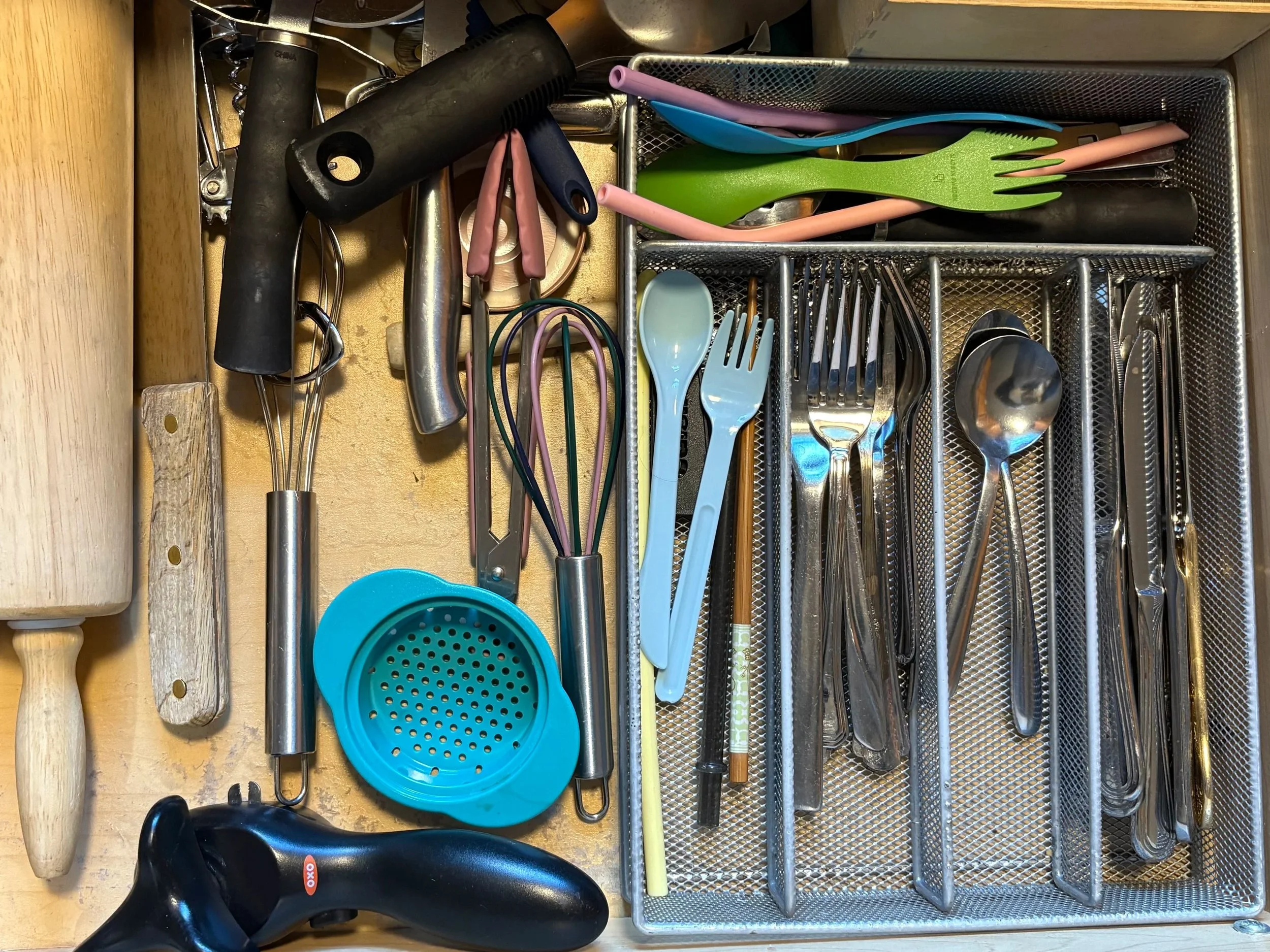
Now, with all of this in mind, let’s take a look in your kitchen. You may see utensils, cling wrap, storage containers, cups, or any number of kitchen items made partially or entirely of plastic (not to mention all of the plastic packaging that’s so hard to avoid at the grocery store!). Many of these items are coming in direct contact with the foods you eat. But, better alternatives are available.
Cutting boards
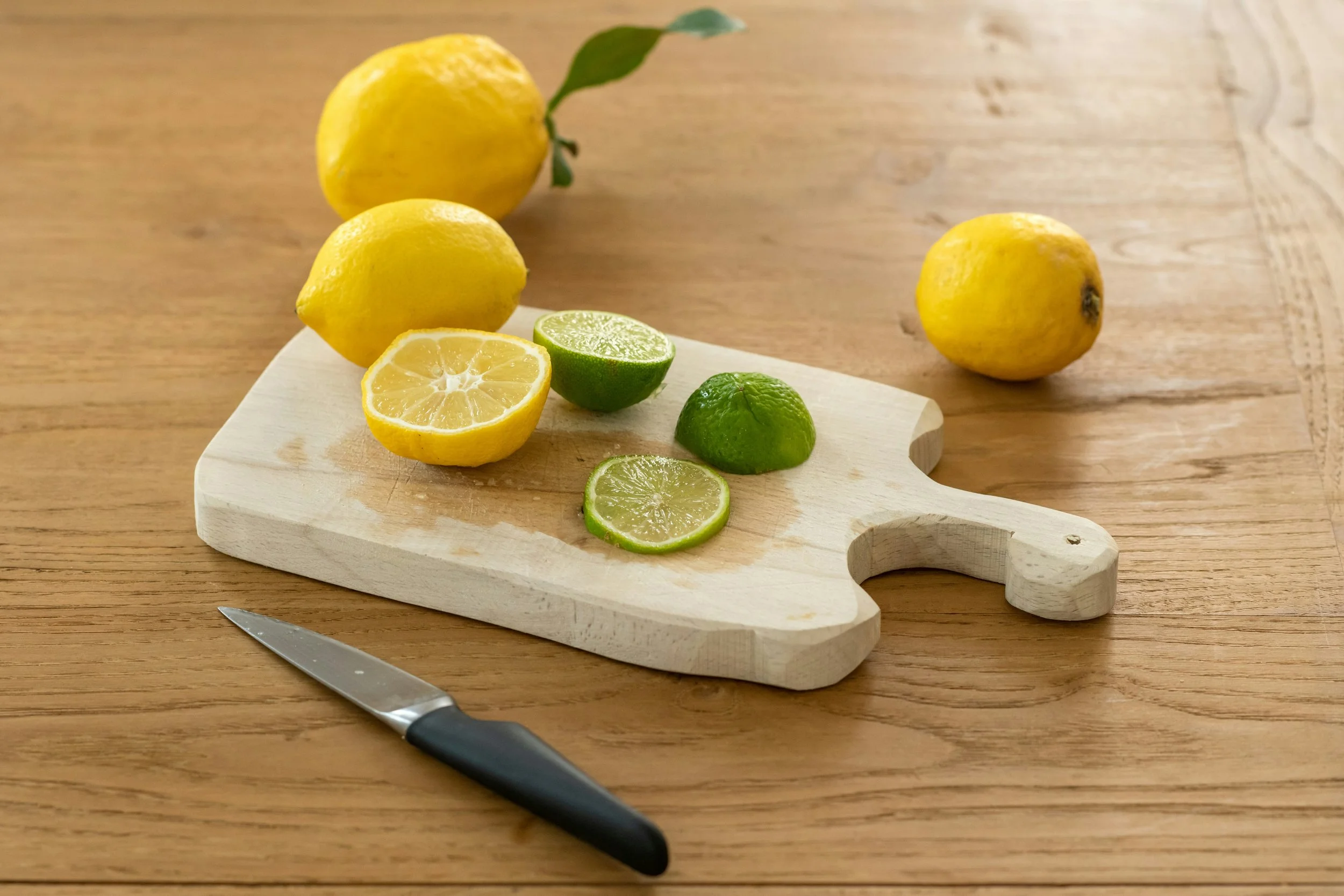
If your cutting board is made from plastic, it’s likely shedding microplastics into your food each time you use it. Abrasive conditions, like cutting or scraping, can increase the number of particles that are released, making cutting boards a “substantial source of microplastics in human food”. Consider replacing it with one made from bamboo, wood, or stone. Treeboard makes some options from sustainably sourced wood, but you can find other wooden and bamboo options at the usual big box stores like Walmart. I found mine at Aldi for under $15. If you do wind up swapping out, you can bring your old plastic board to the Hub for recycling!
Cookware
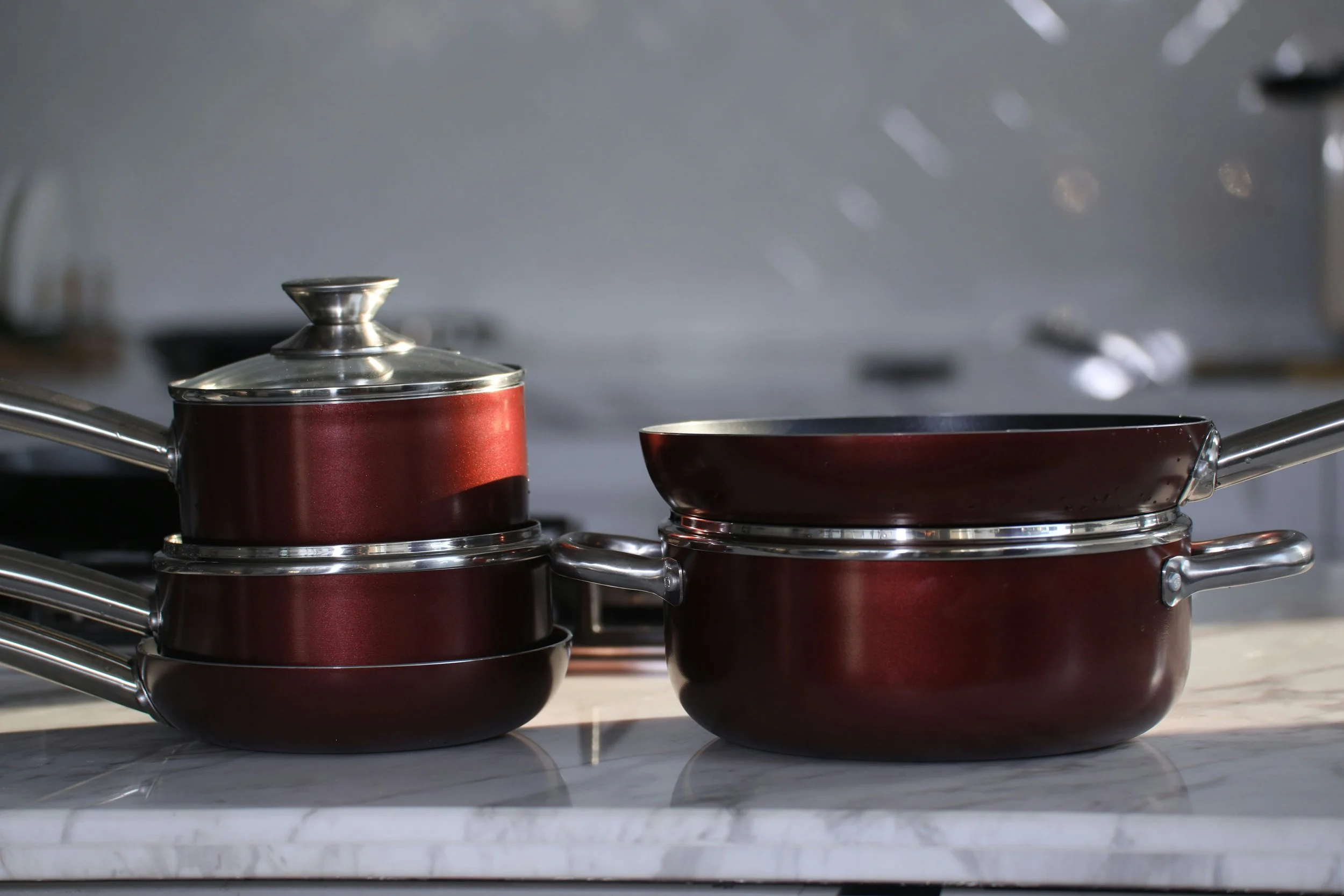
When it comes to pots and pans, you won’t find as much plastic, but you will find PFAS and other similar coatings. While not a plastic itself, PFAS is a chemical additive often used in items that are marketed as “non-stick”, and it is widely considered to be detrimental to health for a whole host of reasons (links with cancer, decreased kidney function, lower birth weights, etc.).
PFAS have been found to be toxic at very low levels (think parts per trillion), so it’s best to avoid them when possible. If you’ve got non-stick pans at home, you may be able to do some digging using the brand name to determine if they contain PFAS. PFAS-free options include Lodge Cast Iron cookware. Or, as always, check your local thrift store for stainless steel alternatives!
Storage containers
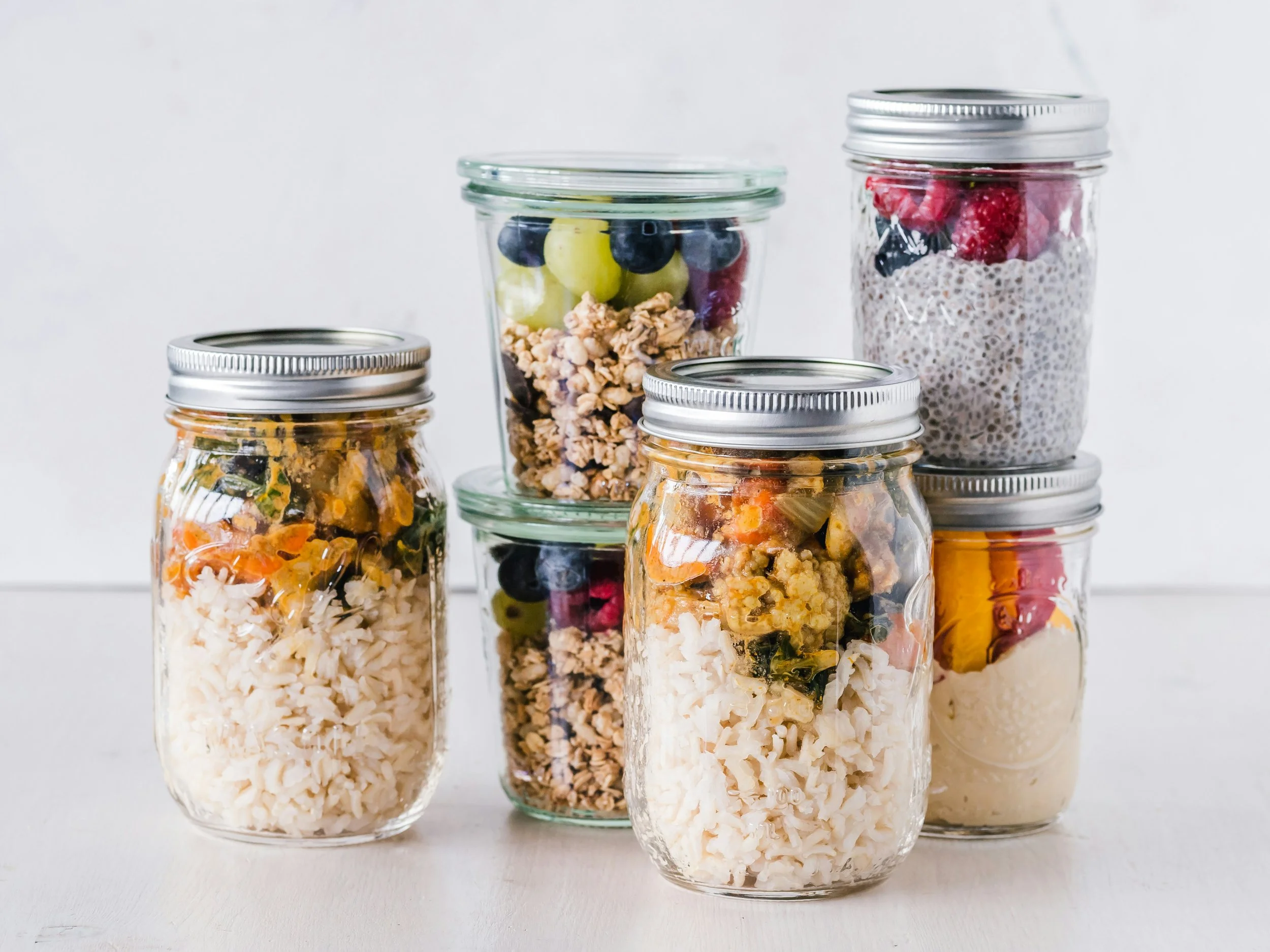
Alternatives to plastic storage containers come in all sorts of shapes, sizes, and materials. Many still have plastic lids, but there are some entirely plastic-free options like this set from Grove .
Old glass jars like those that hold pasta sauce can also be washed and reused as budget and eco-friendly kitchen containers.
Cooking utensils and kitchen tools
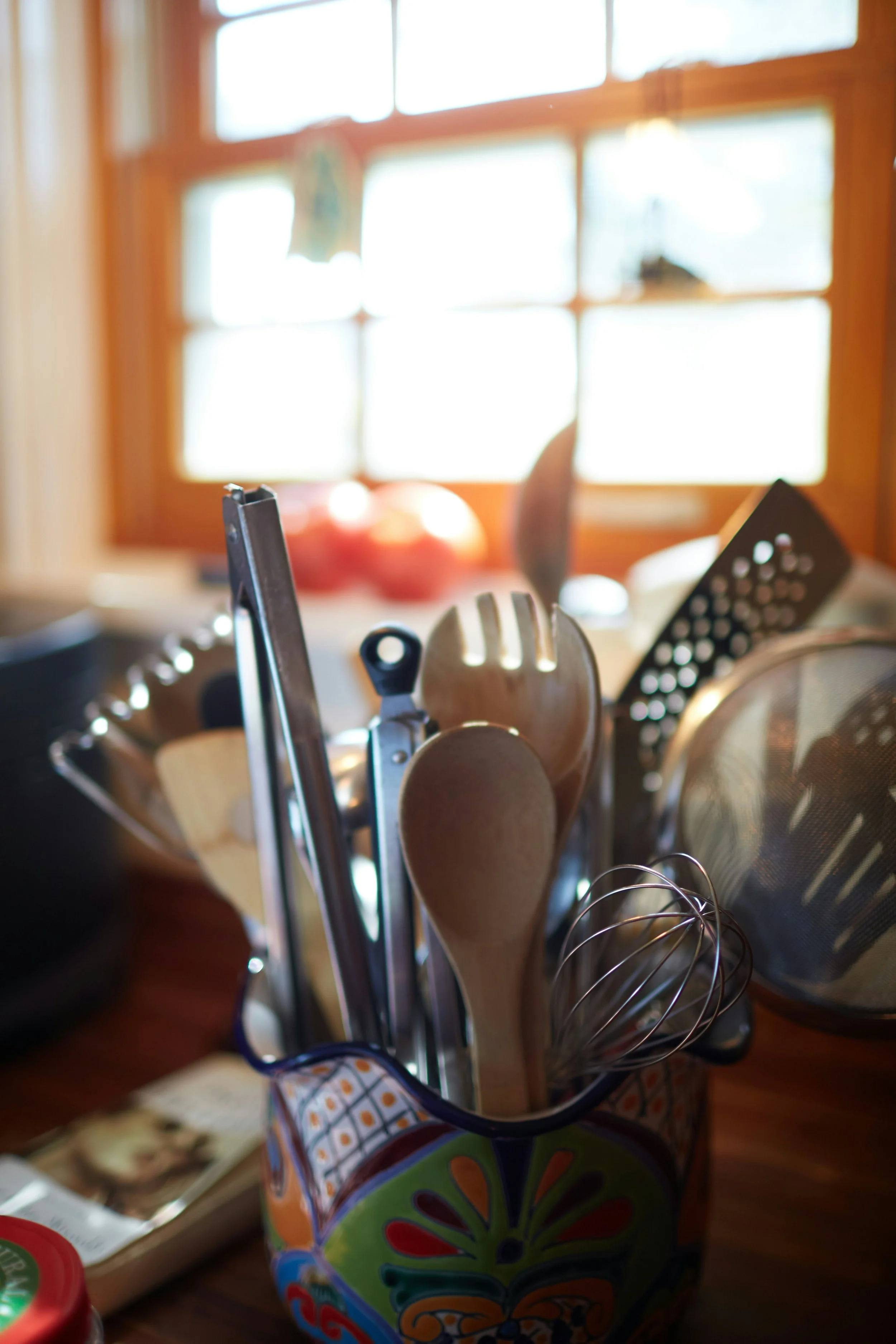
Chances are, you have a kitchen utensil or two made from black plastic. In 2024, a study made waves by showing that black plastic contained elevated levels of harmful chemicals used as fire retardants. While the initial study issued a correction to clarify that levels were not as high as originally indicated, the results were still alarming. Many toxins can be released when exposed to high temperatures, so it’s a good idea to stick with other materials when it comes to kitchen utensils like spatulas, ladles, and serving spoons.
Silicone may be an improvement, but may still contain unknown chemical additives. Metal is a great alternative, and wood or bamboo are good non-abrasive options. These items can often be obtained second-hand from thrift stores. There are even secondhand stores that specialize in kitchenware, like Sally’s Treats & Treasures in Spring Grove Village!
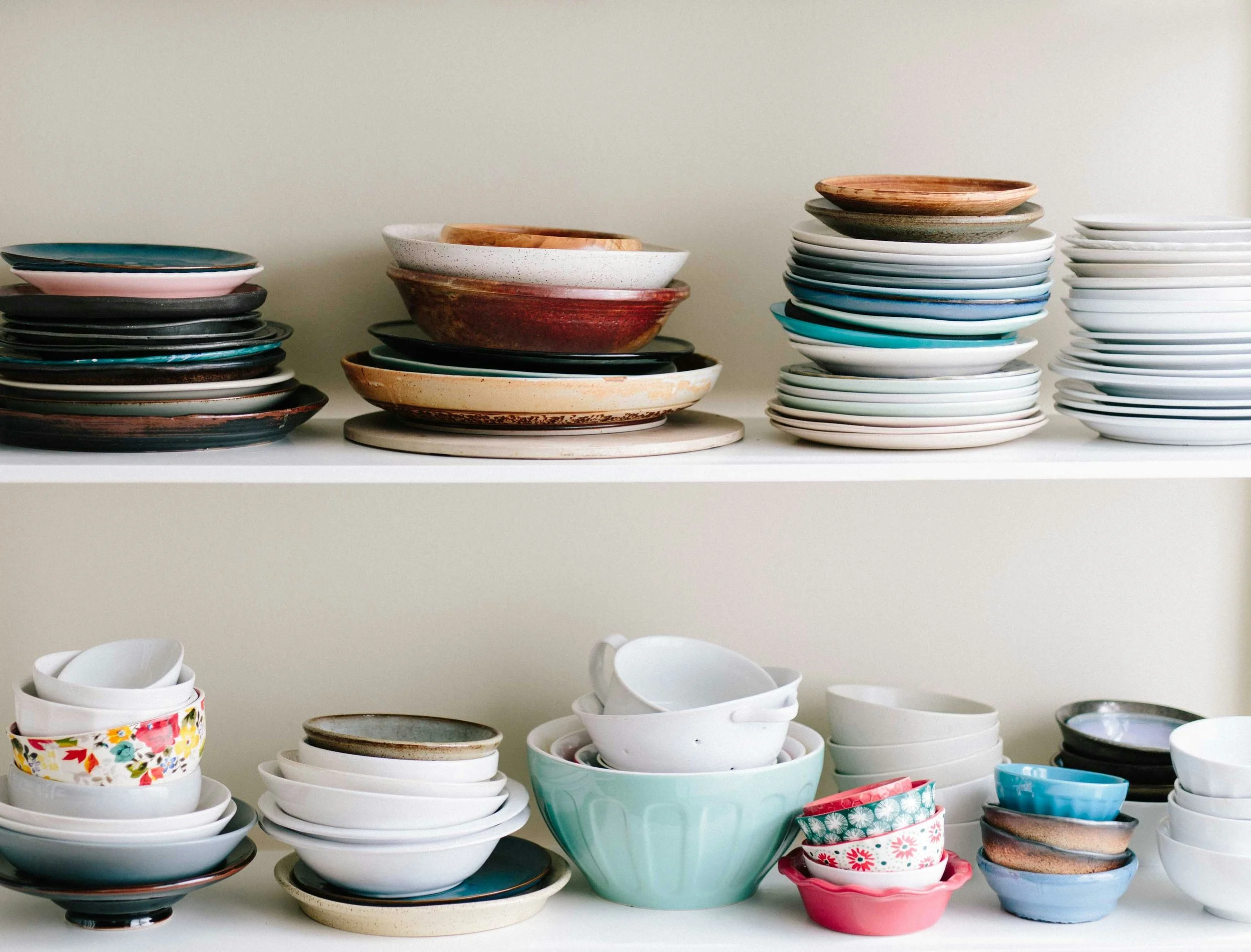
Dishware
As noted above, exposure to high temperatures can encourage plastic to fragment into microplastics and leach chemicals, so it’s important to be sure your dishware is truly ‘dishwasher’ and ‘microwave safe’.
Stick to ceramic, glass, or other non-plastic dishes to cut your microplastic ingestion.Special note on detergents: The surfactants in detergents are often made from fossil fuels. If you’d like to ‘green’ your dishwashing routine, check out this DIY dishwashing powder recipe from Happiest Camper.
DID YOU KNOW?
The 2019 film Dark Waters starring Mark Ruffalo and Anne Hathaway follows the story of local Cincinnatian and corporate defense lawyer, Robert Billot, as he uncovers PFAS contamination in Parkersburg, West Virginia, stemming from a DuPont facility.
What does this mean for plastics in general?
Now that we’ve got a few ways to swap-out plastic items in the kitchen under our belt, let’s talk about the bigger picture. Certainly, there are applications where using plastic makes sense, but it is definitely not in the manufacturing of food-contact or single-use disposable items. In fact, cutlery, straws, stirrers, and produce stickers, along with many other food-contact and kitchen-related items, made the U.S Plastics Pact’s Problematic and Unnecessary Materials List.
Plastic’s resistance to breaking down into components digestible by nature means we should be very careful about how much plastic waste we create and what we do with it at the end of its useful life. While the Hub is exceptionally proud of its ability to help customers recycle traditionally hard-to-recycle plastic items, this does not address the issue of microplastics.
As we continue to learn more about the harms of microplastics, it’s important to reassess our relationship with this material that was previously hailed as, “the Material of the Future“. The most impactful choice we can make as consumers is to avoid plastics in the first place, and the kitchen is a great place to start.
