
5 FAQs: Recycling Metal With the Hub
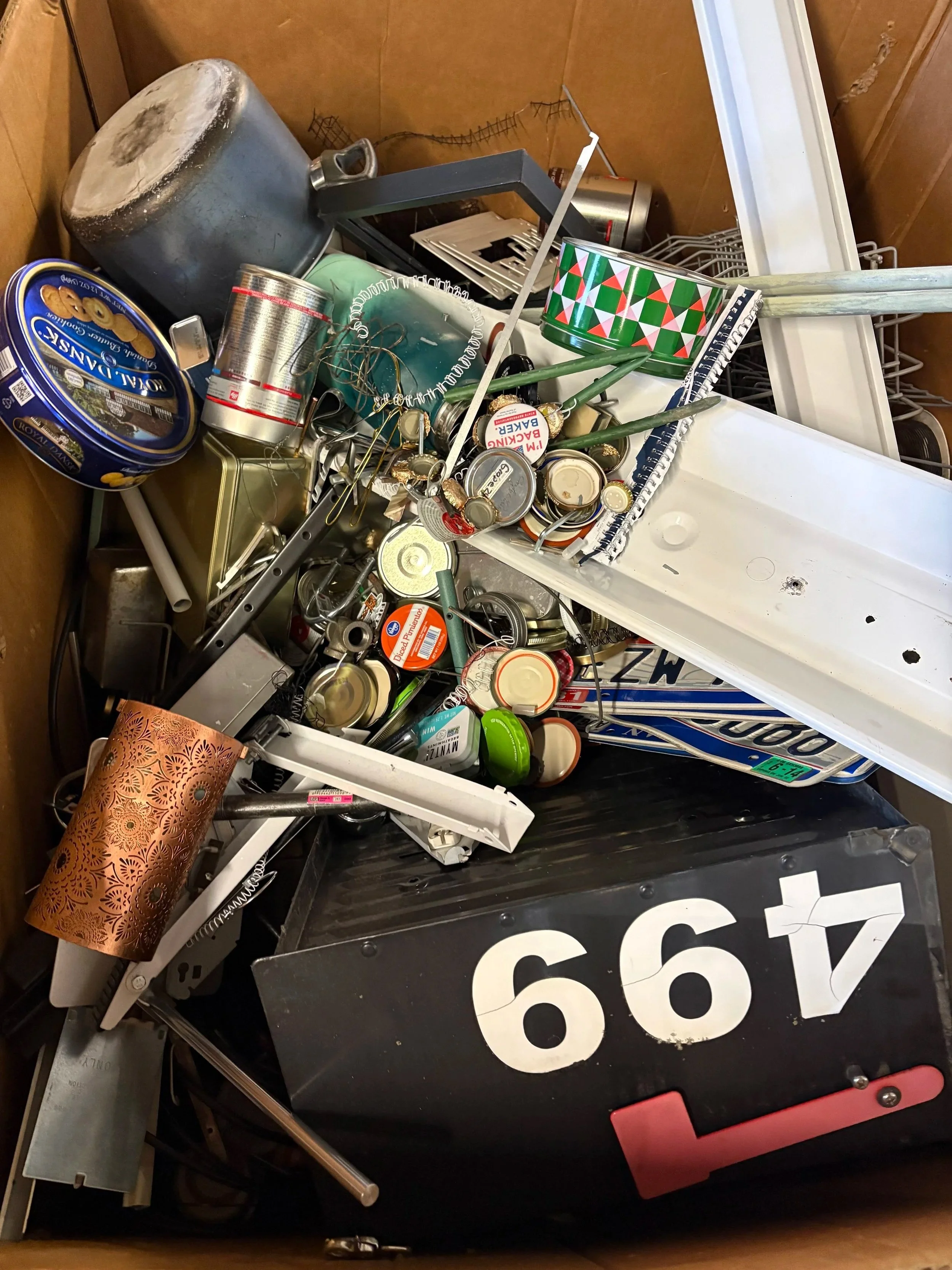
Old keys, aluminum foil, pie and mint tins, bread and produce ties, broken or damaged pots and pans—these are just a few of the items that can be placed in the metal collection bins at our residential drop-offs. Metal is a vastly superior material to plastic because it doesn’t expose users to microplastics and can be recycled over and over without degrading their quality. In fact, nearly 75% of all aluminum ever produced is still in use today! Here in the Cincinnati area, we’re lucky to have access to some metal recycling through Rumpke’s curbside service. However, that is limited to certain materials: steel cans and aluminum cans and cups.
So, what to do with other types of metal waste? Below, we’ve compiled a list of 5 FAQs for recycling metal with the Hub. If you’re looking for a way to keep more metal waste in circulation and out of the landfill, here’s what you need to know:
#1: Why should I bring my metal to the Hub?
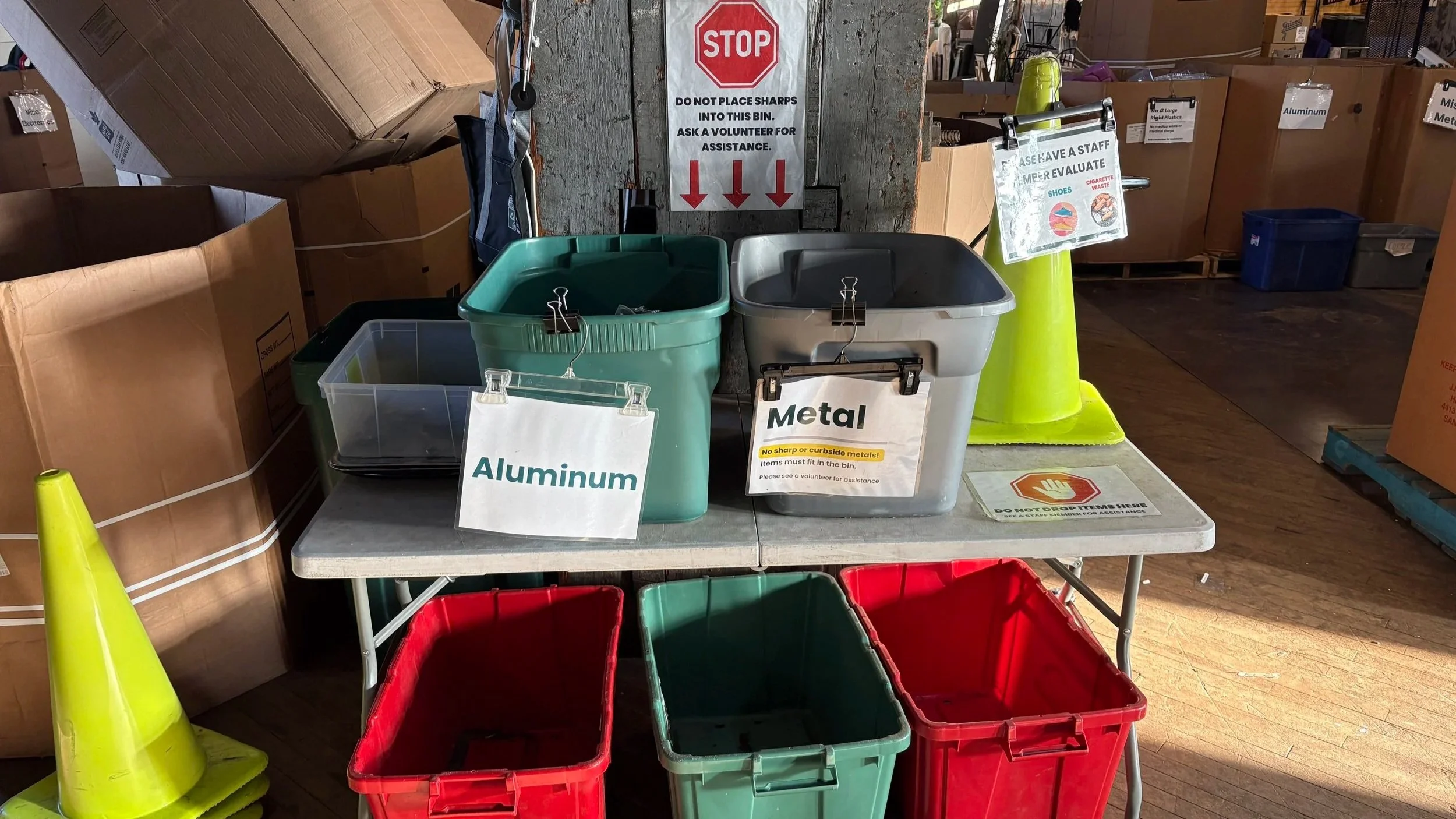
Choosing to recycle your metals with the Hub is akin to a monetary donation! Metal acts as a small source of revenue for CRRH. By bringing us your scraps of aluminum siding, your bottle caps, or your foil yogurt lids*, you’re supporting the Hub! Plus, keeping the different types of metal separate enables us to fetch a higher rate for the materials. Copper brings in more than aluminum and aluminum brings in more than ferrous metals like steel.
Please note that the Hub is not able to pay for metal.*Helpful hint: Some yogurt lids are aluminum foil, while others are a foil-lined plastic that can be recycled with the flexible film collection. If you’re unsure, crumple it in your hand. If it stays crumpled when you let go, it’s aluminum foil. If it flattens back out, it’s foil-lined plastic.
#2: What types of metal are accepted at the Hub?
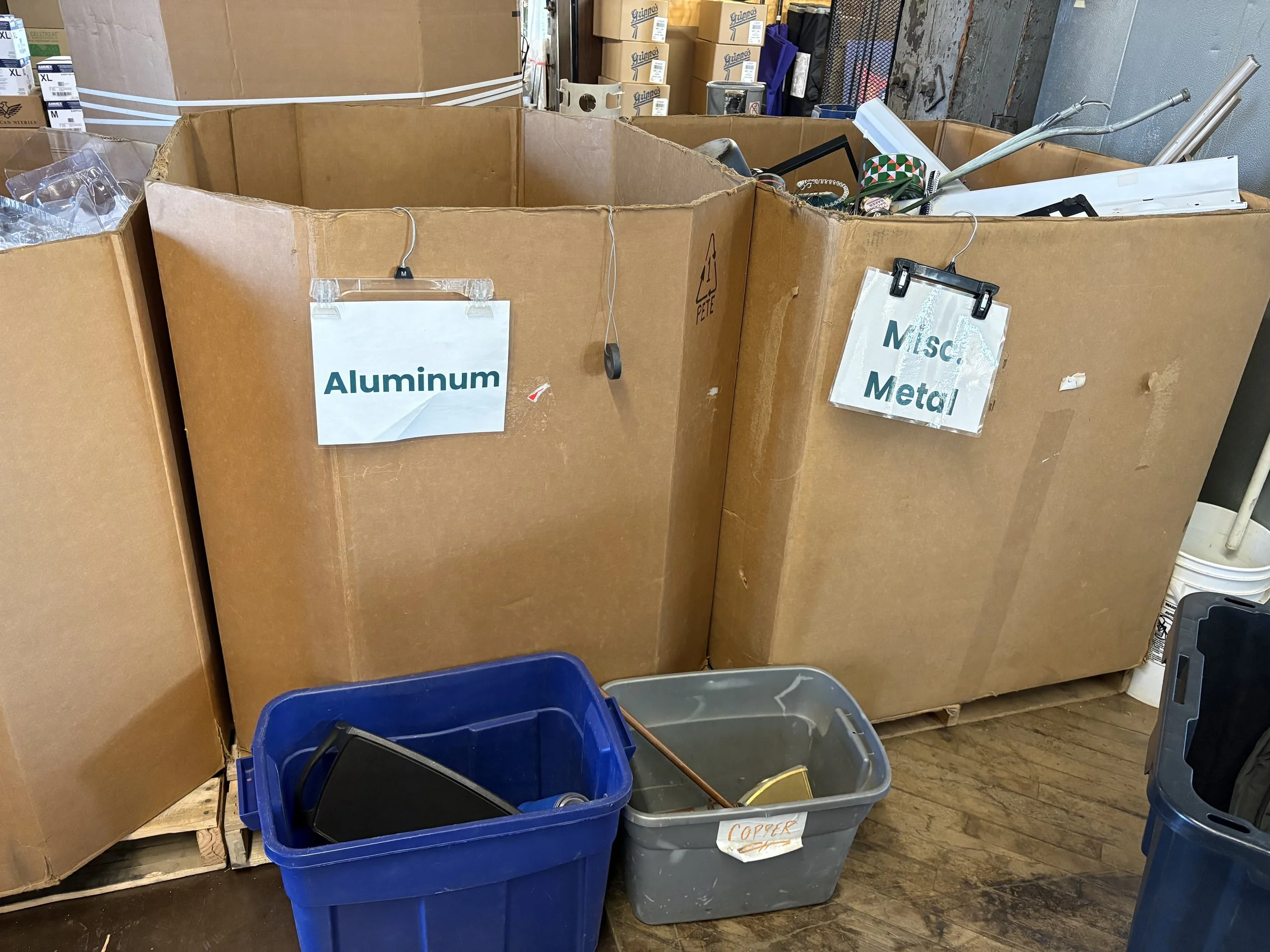
All kinds! We ask that customers sort their scrap metal into two categories: aluminum and miscellaneous metal.
Along with pie tins, old nails and hardware, and aluminum foil, some of the most common items we see in our metal recycling collection are lids. When recycling curbside, different types of material should be separated. This means that mixed materials like glass jars with metal lids (think pasta, jelly, etc.), or glass bottles with metal lids (like Jarritos or beer bottles) need to be separated into their components. Rumpke accepts glass jars, but loose metal lids (especially those smaller than 3”) can be lost in the automated recycling process. To ensure your lids and bottle caps are captured for recycling, bring them to the Hub!
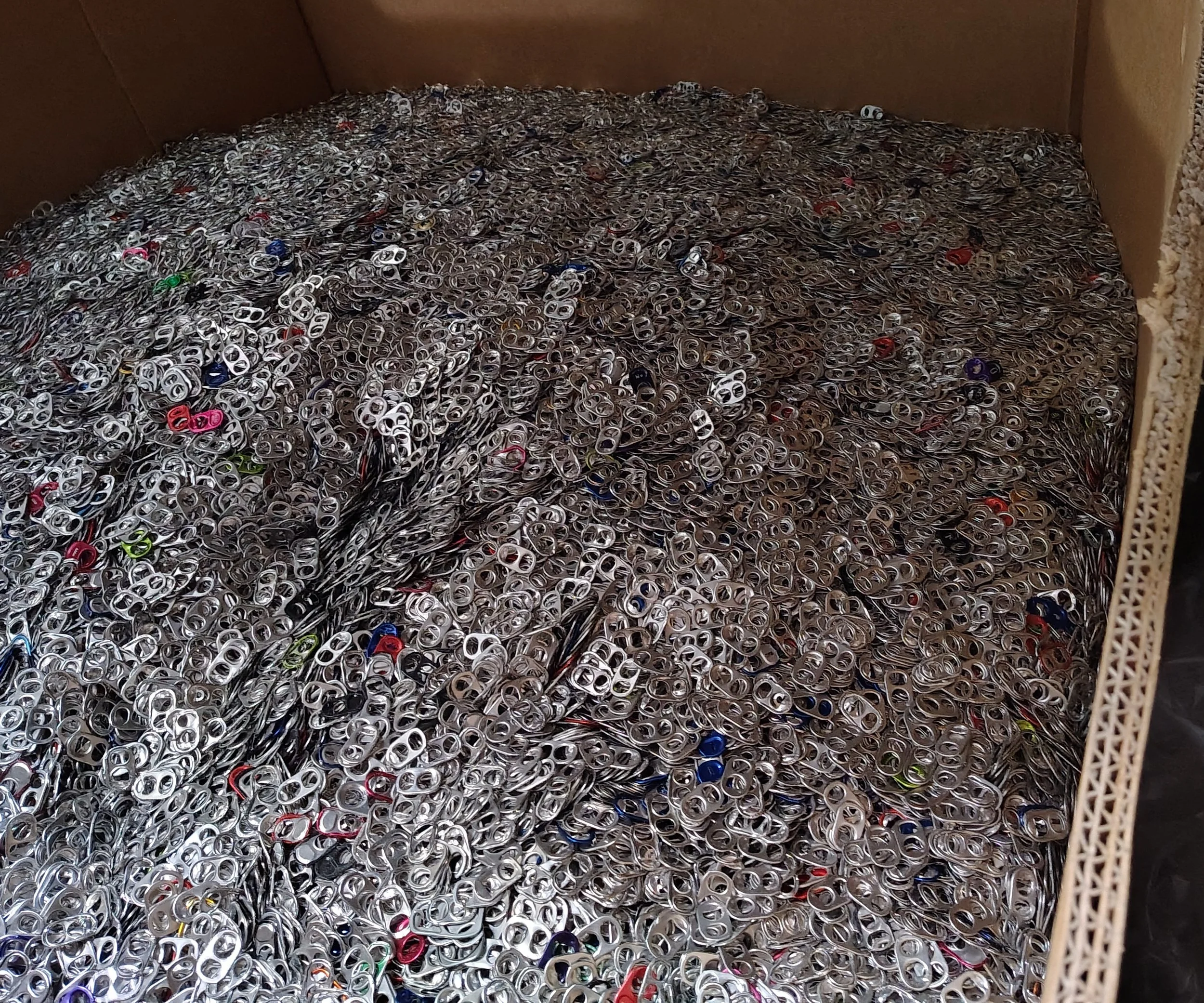
We are also able to accept wire (USB cords, power cords, TV input cables, and HDMI cables, etc.) and string lights (see our Accepted Items page for information on pricing). Additionally, CRRH has special collections for aluminum pop tabs with the Ronald McDonald House and guitar strings (metal, nylon, or orchestral) through TerraCycle’s D'Addario program. There is also a separate collection bin for twist ties. A bit of an outlier, the Hub is able to accept X-rays, as well, which contain a small amount of silver that can be reclaimed. X-rays are collected separately, so see a staff member for assistance.
• RECYCLING REMINDER •
For successful curbside recycling, metal lids and caps should not be attached to glass bottles or jars. Unfortunately, those loose metal items (especially smaller than 3”) can be lost through the automated recycling process. To ensure your metal lids and caps are captured for recycling, bring them to the Hub!
#3: What happens to metal brought to the Hub?
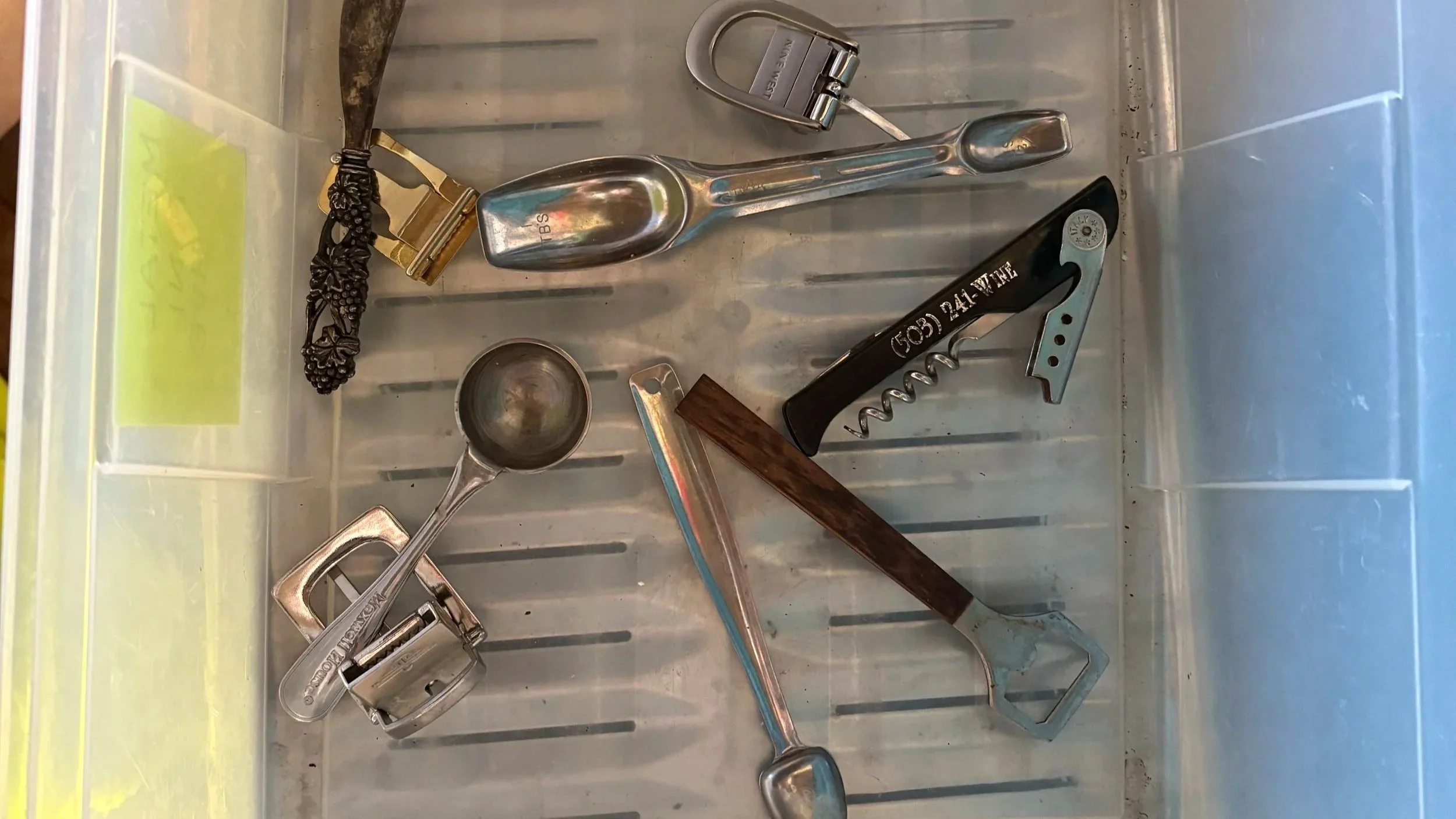
After you drop your metals into the aluminum and miscellaneous metal bins, a bit more sorting goes on behind the scenes. Hub employees further sort out two types of aluminum and copper. Sometimes we even find items to put out in the Hub Shop!
Once we accumulate enough metal for a truckload (~10 pallets), we drive it over to our downstream partner here in Cincinnati. The Hub recycles its scrap and wire at River Metals.
Guitar strings are sent to TerraCycle, where the metal is “melted down and smelted into new metal alloys” ready to be used in new products.
Aluminum pop tabs are taken to Ronald McDonald House which raises money to support RMH programs. Hub volunteer and Ronald McDonald House employee, Bernadette, recently shared that last year, RMH raised $12,667 through its pop tab program!
#4: Are there metals the Hub isn’t able to accept?
Yes, there are a few metal items the Hub is not able to accept due to safety reasons. This includes needles/syringes, gas canisters, and CO2 cartridges.
Helium tanks are an exception—we are able to accept them as long as the valve has been properly removed.
We can accept razor blade cartridges in our Gillette TerraCycle collection. We can also accept loose razor blades/box cutter blades in metal recycling if they’re in an enclosed metal container (tea canister, etc.), but we need to be sure we’re handling them safely, so be sure to see a Hub employee or volunteer for assistance.
#5: Can the Hub accept large volumes of metal for recycling?
The Hub is able to process residential amounts of metal during our open hours. If you have large volumes of metal, please send an email with details and photos of the material to contact@cintirrh.org so we can come up with a plan that best suits your needs.
We hope these FAQs help to shed some light on why metal is often the more sustainable choice, and what to do with metal that has reached the end of its useful life. By choosing to bring your metal to the Hub, you’re contributing to a revenue stream that helps us continue to serve our local community. So, from phone chargers to pie pans, and bottle caps to mailboxes—next time you’re wondering how to dispose of your metal waste—consider recycling with the Hub!
HUB TIP
Products made from metal are almost always a more durable and sustainable choice than those made from plastics. (If you’d like to learn more about reducing plastic use in your life, check out our Slow the Flow blog series!). Here are two great metal items that are alternatives to products containing plastic:
This all-metal ginger grater/garlic smasher can withstand much heavier use than comparable plastic versions and can become a kitchen staple that lasts a lifetime.
This metal furnace filter cuts waste by replacing disposable filters that are often made from polyester (a #1 PET plastic) or fiberglass. While these metal filters do incorporate some #5 polypropylene plastic, they are washable, and with proper maintenance, can be expected to last as long as the HVAC unit itself.
