
Slow the Flow: Tips for Reducing Waste
Are you a Hub customer hoping to take the next step towards sustainable living? Then this blog is for you! In collaboration with dedicated Hub volunteer, Lana, we have compiled a list of changes you can make to reduce your impact on the environment and “Slow the Flow” of waste. Whether you’re aiming for zero waste in 2026 or are simply looking for easy ways to reduce your single-use plastic consumption, waste reduction strategies can be mixed and matched to suit any lifestyle.
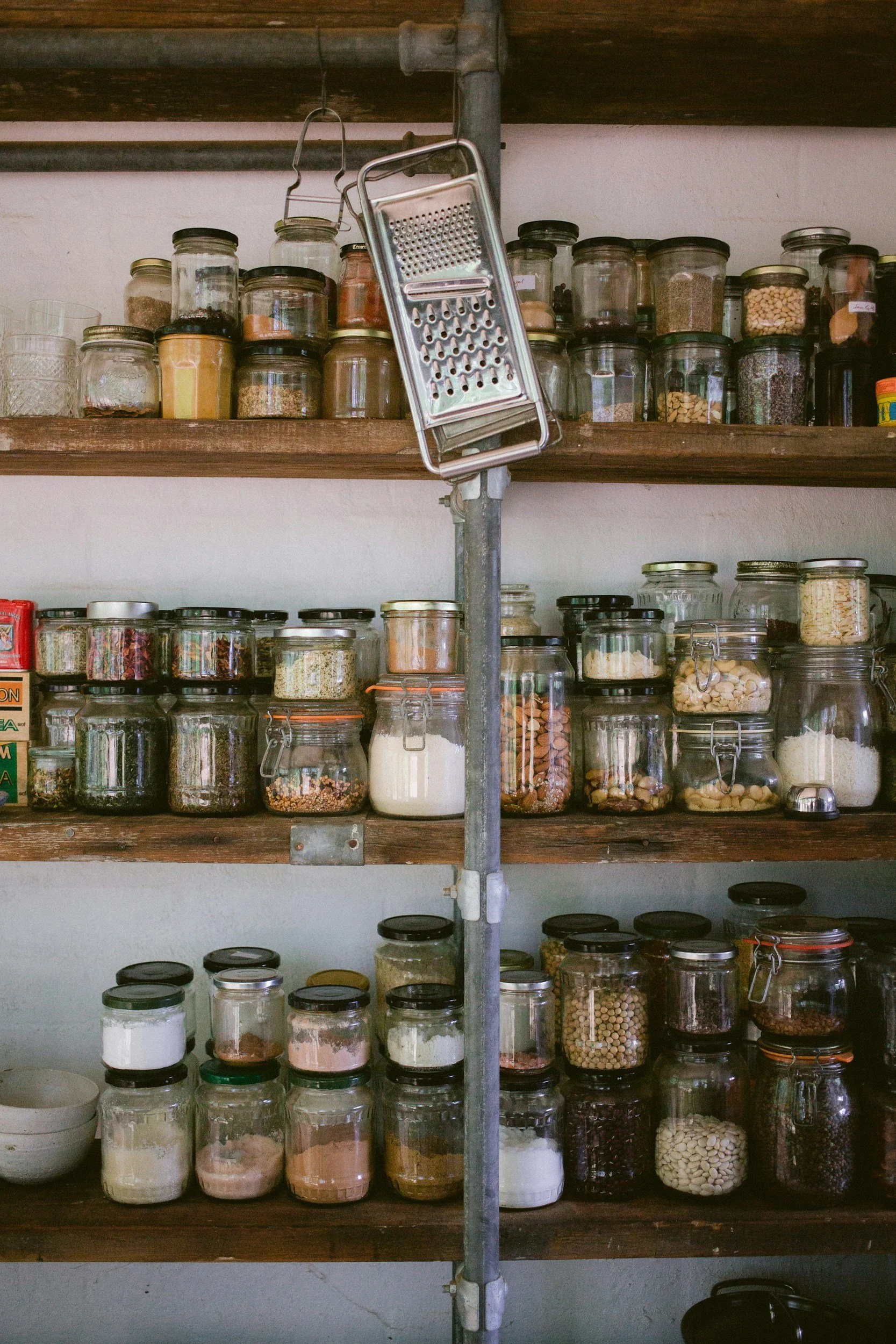
In this post, we’ll give a few big-picture examples from several common waste categories (gifts, restaurants, home, etc.). Some methods for reducing waste are more straightforward than others. We’ve tried to include ideas that run the gamut from simple to complex and we recognize that some may include barriers (cost, time, etc.) that make them more difficult to institute.
So, while we hope that you’ll find these ideas useful, we absolutely understand if some or all of these tips seem out of reach. But, don't fret– there’s more to come! If none of these seem quite right for your day-to-day or if you’re simply interested in learning more, keep an eye out for future Hub blogs and social media posts where we’ll be offering additional ideas and looking more closely at ways to “Slow the Flow” and maybe you’ll find a method that works for you!
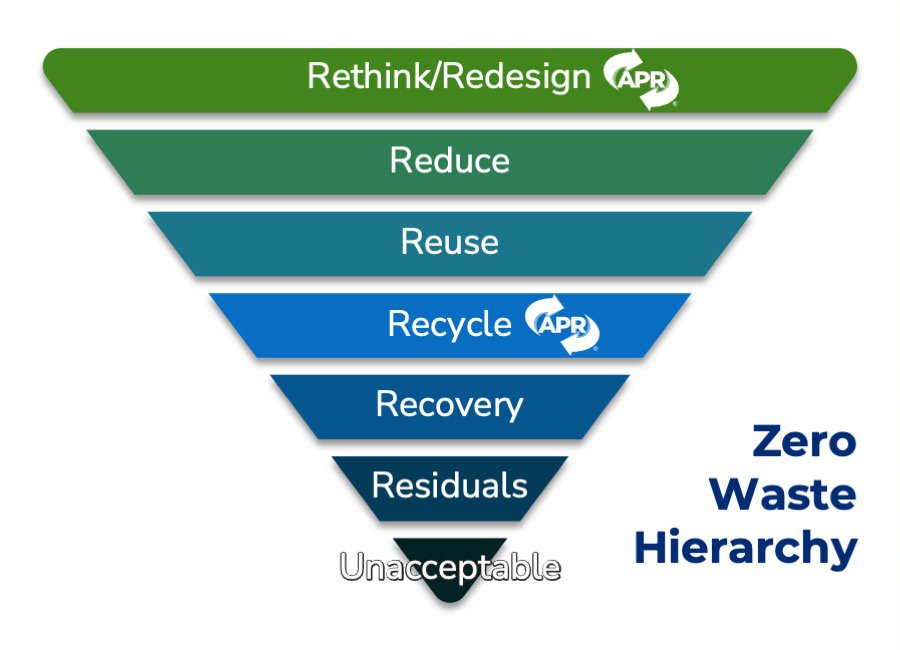
Zero Waste Hierarchy graphic from the Association of Plastic Recyclers website
Why it Matters
In an era of unprecedented consumption, it’s crucial to pause and consider ways to reduce our environmental impact. Did you know that in 2023, Ohio landfills received 13.2 million tons of municipal solid waste? Much of that volume (up to 76%, according to a 2019 study) could be eliminated through concerted efforts to compost and recycle materials, where appropriate. What’s more, if we focus on reducing our consumption in the first place, it’s possible to cut the amount of landfilled materials even more drastically.
Cincinnati Recycling & Reuse Hub offers recycling options for many hard-to-recycle materials in our community, but recycling is only one piece of the puzzle. When paired with strategies to reduce consumption (especially of single-use plastics), deep, meaningful change can be achieved. From refusing straws to choosing rechargeable batteries, even small changes can make a big difference in reducing the amount of materials being sent to the landfill. Read on to see if any of these strategies might be right for you!
Gifts/holidays
With the holiday season just behind us, we want to be sure to highlight some eco-friendly gifting ideas that will provide all of the cheer with less of the waste for all sorts of celebrations throughout 2026:
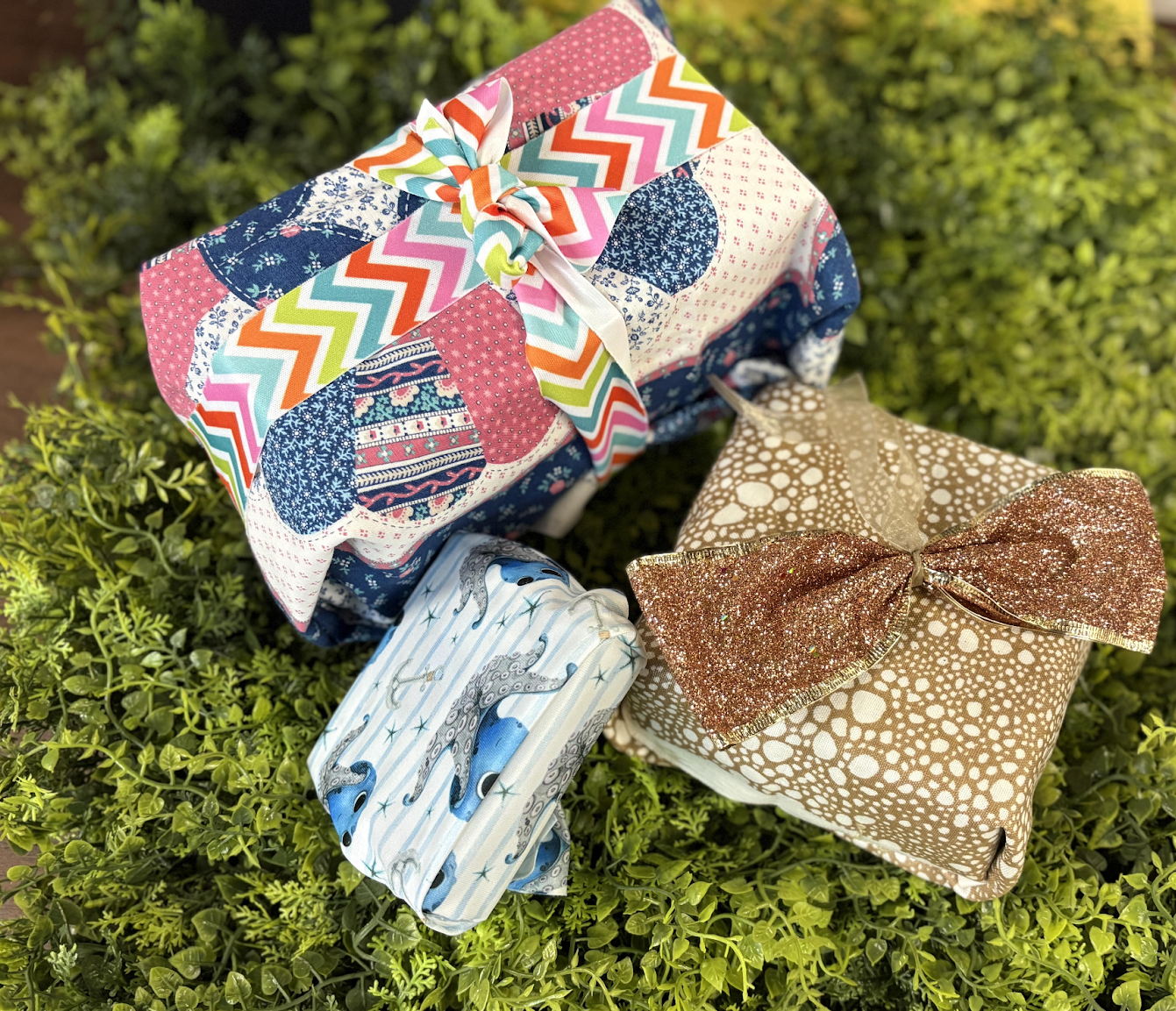
Gift wrap: Consider using alternative materials to wrap gifts. Squares of fabric (always available in the Hub Shop) or newspaper make great gift wrap and add some homemade charm. Fabric squares can be used again and again, while newspaper can be recycled curbside (unlike many wrapping papers that have foil/glitter components)
Durable goods: Many products on the shelves these days are novel and fun, but are not made to last. When purchasing a gift, take a moment to consider how long the item will last, what it is made of, and the disposal options that are available for it at its end-of-life. Click here for some sustainable gift ideas from ZeroWasteStore
Restaurants
Going out to eat has the potential to create a lot of waste, especially when it comes to leftovers and take-out, but a few tweaks can help!

Straws: The USA uses an estimated 500 million disposable straws per day. When ordering drinks, alert the server that straws are not needed. If they attempt to put straws on the table when arriving, let them know you will not need them. You can even bring your own reusable straw, if you’d like. Local zero waste store, Simply Zero, has a few available options, like this reusable glass straw.
Carryout containers: If going to eat-in at a restaurant where you may have leftovers to take home, avoid the takeout container and bring your own (like this collapsible silicone box from Simply Zero). Grab a container from home and pack in your purse or a tote/shopping bag you can bring in with you. Once you are ready to load up your leftovers, you can use your container instead of asking the server for one. Now you don’t have to deal with cleaning out and recycling an aluminum, plastic, or foam container, or having to trash a greasy cardboard container.
Reusable cups: Consider bringing your own reusable cup or mug. Billions of single-use coffee cups are disposed of annually, and some coffee shops even offer a discount for bringing your own cup, so this can help reduce waste while saving money. Reusable cups can often be found in the Hub Shop!
Kitchen/Grocery
Prepackaged foods offer a convenient option for meals and we recognize that not everyone has the luxury of spare time. However, if you do find yourself with the time (and bandwidth) to experiment with making some items from scratch, it can cut down on packaging and is often tastier and less expensive than buying prepackaged goods. Foods with minimal packaging tend to be healthier and more nutritious. As a bonus, less plastic packaging can also reduce your exposure to microplastics.
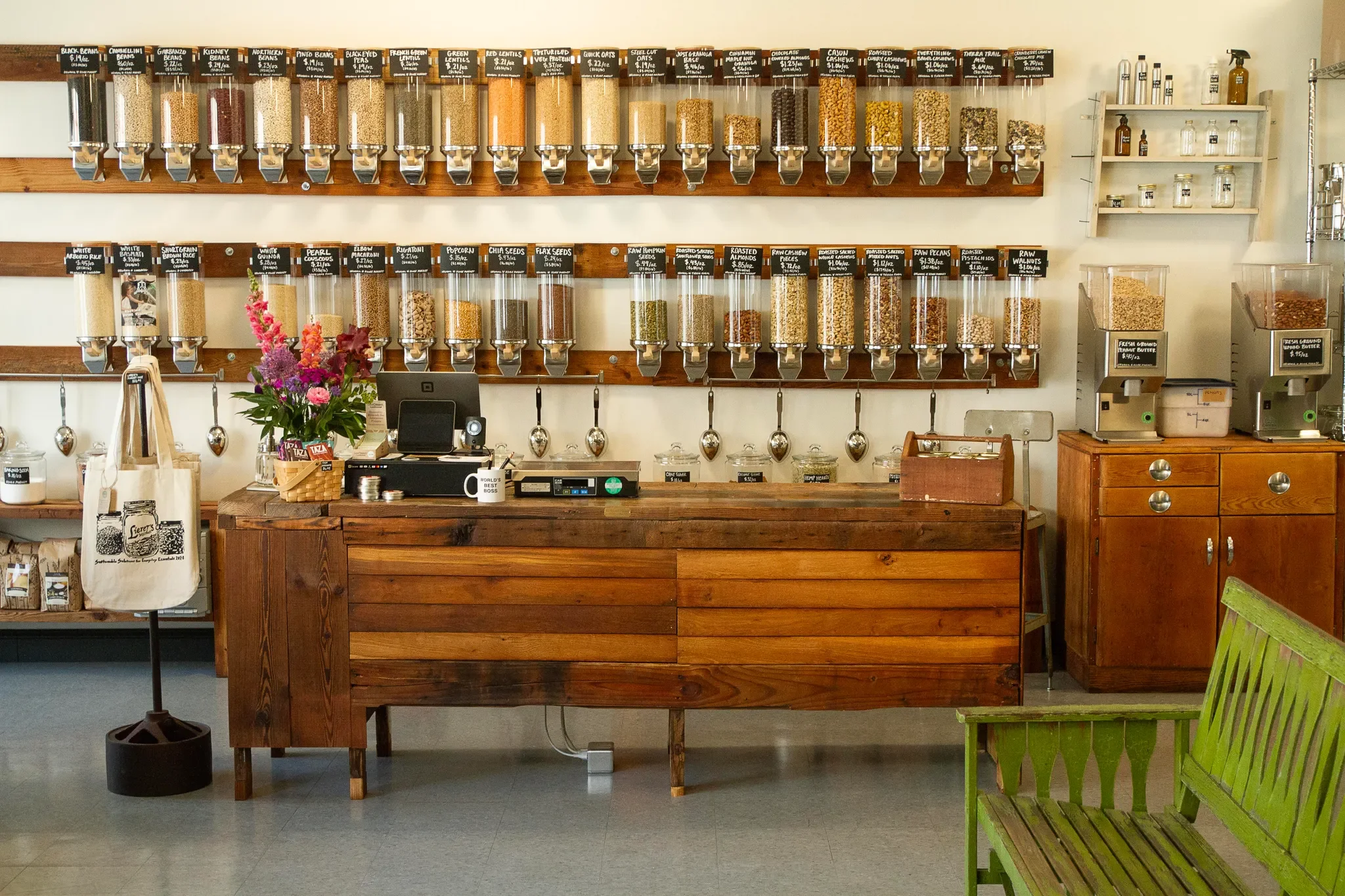
Local low-waste store and Hub offsite partner, Lierer’s Market offers many bulk goods and reusable containers for a sustainable kitchen
Yogurts: Ever try making your own Greek or regular yogurt? Buying these in small single-size or even more affordable large tubs can get pricey and create more plastics to recycle. There are now great yogurt makers on the market, and most Instant Pots have a yogurt function already built-in. Here’s a recipe for Instant Pot Yogurt if you want to give it a try!
Soups/broths: During the winter months, some chicken noodle soup can be very soothing. Making your own soup (or broth for many recipes) in bulk batches will reduce containers to recycle and can be a less pricey option than buying cans or cartons at the grocery. Freeze in small cubes to use later.
Home/Personal Care
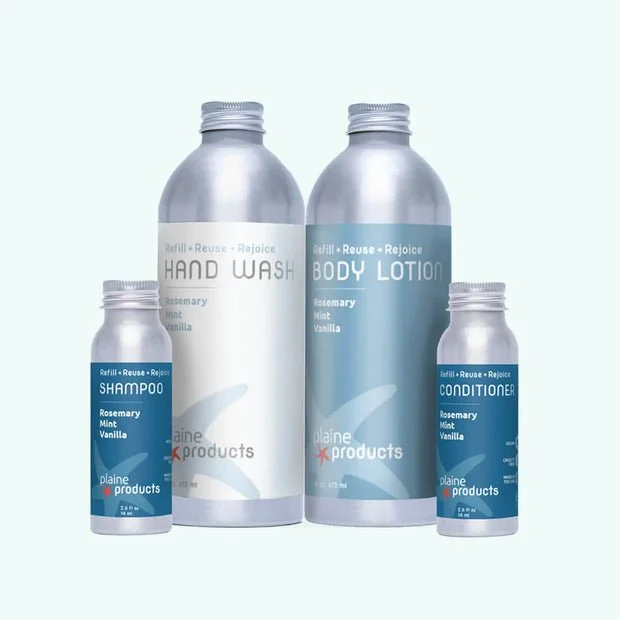
Plaine Products, a Hub corporate customer, offers Zero Waste Starter Sets and more on their website.
Cleaning and toiletry items are often available in options with easily recyclable or no packaging:
Detergents: For laundry or dishwasher detergent, some powders or laundry sheets give options that come in an easily recyclable paperboard box instead of plastic pouches.
Dryer balls: Avoid dryer sheets that are single use. Wool dryer balls are great for keeping clothes separated in the dryer and can be reused for years.
Refillable products: Some brands offer refillable home cleaning or personal care products. A local option is Plaine Products, a Hub Offsite partner located in Milford, Ohio, that has a plethora of options, including hair and skin care products in refillable containers.
Electronics
Rechargeable electronics can save money in the long-term and reduce waste. Many electronics and their components are used briefly, then recycled or landfilled (click here for more information on electronics recycling at the Hub). By choosing rechargeables, the useful lives of these items can be extended.

Lighting and batteries: Use rechargeable batteries or solar-powered lighting when possible.
Hand warmers: With cold weather upon us, those hand warmers that break to initiate heat, last 20 minutes, and then get tossed can be swapped out for rechargeable hand warmers. The rechargeable versions save you from the constant purchase, keep you warm for longer, and don’t end up in the trash after each use.
If you’re looking to help “Slow the Flow”, give one (or a few) of these options a try! Remember– it's okay to start small. Consumers’ choices have the power to inform product manufacturers’ decisions, and if we all make small changes, it can have a big impact on the amount of waste being produced. Proper waste disposal accompanied by sustainable product design and mindful consumption can go a long way to reduce the massive volume of materials going into landfills. Check back soon for more blogs and social media posts where we’ll provide additional options to “Slow the Flow”.
Do you have your own waste-reduction methods? Let us know in the comments!
